




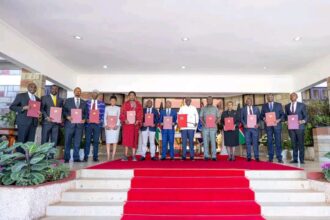

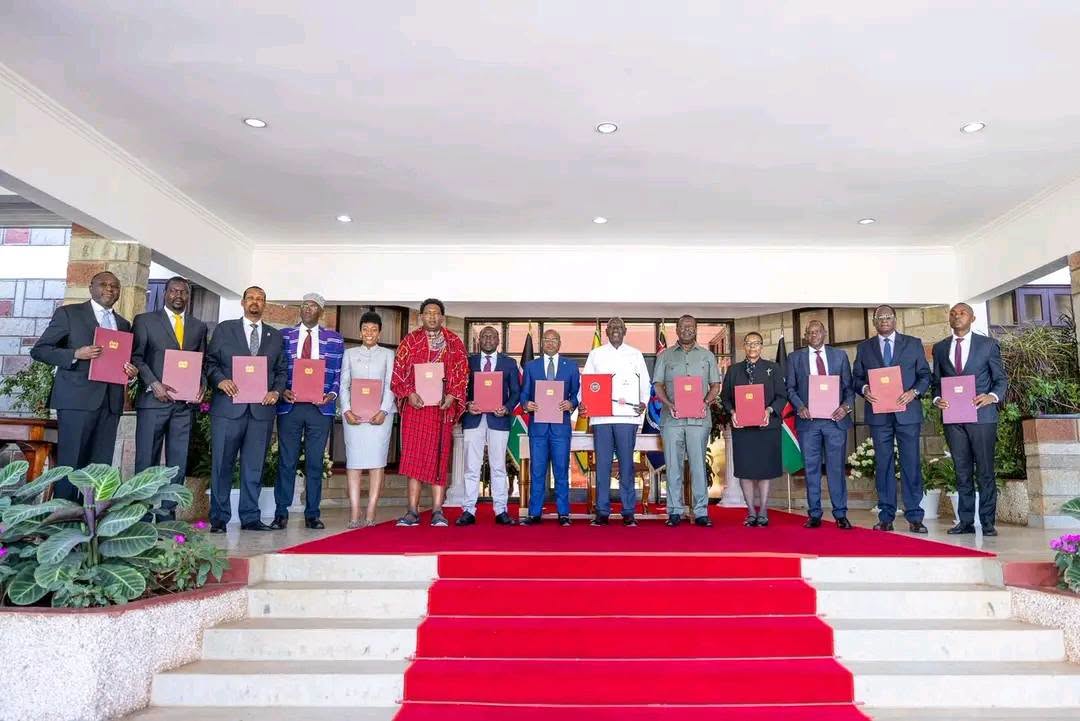
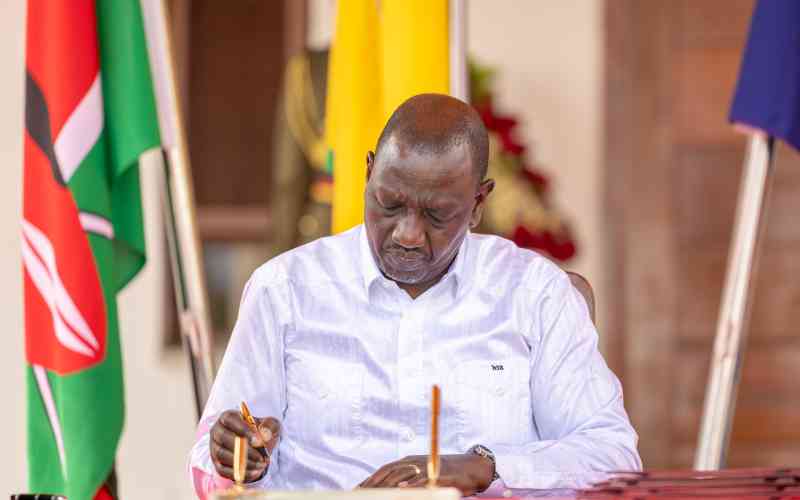
President William Ruto has signed two bills into law, including legislation increasing additional allocations to county governments to KSh71.09 billion for the 2026/2027 financial year. The President assented to the County Governments Additional Allocations Bill, 2026, and the County Assembly Services (Amendment) Bill, 2023, during a ceremony held at Eldoret State Lodge in Uasin Gishu County.
According to a statement issued after the signing, the additional funding to counties will increase from KSh70.67 billion in the 2025/2026 financial year to KSh71.09 billion in the next financial year. The increase represents an additional KSh425.6 million to support county programmes and improve the delivery of essential services.
Ruto Says Additional Funding Will Strengthen Devolution
President Ruto said the increased allocations would help county governments implement development programmes and meet their responsibilities to residents. He noted that the additional resources were intended to strengthen devolution, improve public service delivery and support initiatives aimed at improving the lives of Kenyans.
The funding will cover several key areas, including healthcare, agriculture, climate change resilience, drought response, water supply and sanitation. These sectors fall among the critical responsibilities of county governments, which continue to provide essential services while addressing local development priorities. The additional allocations are expected to help counties finance programmes that respond to the needs of their respective communities.
Where Will the County Allocations Come From?
According to the President’s statement, the funds will be sourced from the national government’s share of revenue, statutory entitlements, loans and grants from development partners. The allocations are designed to supplement resources available to county governments and support specific programmes within their areas of responsibility.
Counties oversee important services such as healthcare delivery, agricultural support and water provision. They also play a significant role in responding to challenges such as drought and the effects of climate change. The increased funding comes as county administrations continue working to maintain these services and implement development projects across the country.
Ruto Signs Law on County Assembly Administration
The second legislation signed by the President is the County Assembly Services (Amendment) Bill, 2023, which addresses governance and administrative matters within county assemblies. The law establishes procedures for the removal of members of County Assembly Service Boards and provides a framework for the suspension and removal of county assembly clerks. It also provides safeguards for the rights and benefits of staff serving on secondment.
The changes are intended to clarify how administrative and leadership matters are handled within county assemblies while providing protections for affected employees.
What the Two Laws Mean for Devolution
County assemblies are responsible for passing county legislation, representing residents and overseeing the activities of county executives. Their administrative structures support these functions and ensure the smooth running of assembly operations. The two laws signed by Ruto address different but important aspects of devolved governance.
While the County Governments Additional Allocations Act, 2026, provides for additional funding to support county programmes, the amendments to county assembly services establish procedures for managing leadership and staffing matters within county assemblies. The measures come as the national and county governments continue to implement devolution, with funding and effective administration remaining central to the delivery of public services. The increased allocations are expected to support county development priorities during the 2026/2027 financial year, while the second law sets out clearer procedures for the administration of county assemblies.
