



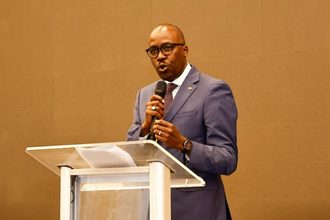


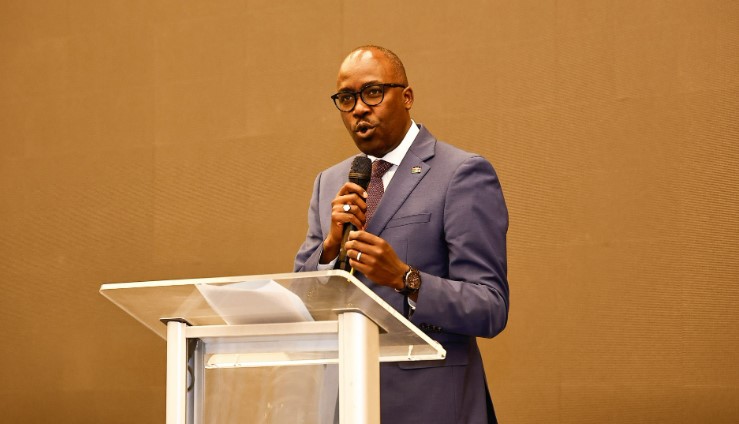
Foreign Affairs Principal Secretary Korir Sing’Oei has clarified that the United States’ decision to raise its travel advisory for Kenya does not prevent American citizens from visiting the country. Sing’Oei described the advisory as a precautionary measure intended to inform American travellers about potential health risks rather than impose a ban on travel to Kenya.
The PS said Kenya had been placed under a higher caution category, adding that the advisory carried no restrictions barring Americans from entering the country. His remarks come after the US State Department raised its travel advisory for Kenya from Level 2 to Level 3 on October 19, urging American citizens to reconsider travel amid concerns over the Ebola outbreak caused by the Bundibugyo virus and other health risks.
Kenya Strengthens Ebola Response
The clarification comes as Kenya reports nine confirmed cases of Ebola, including the index patient who died. The Ministry of Health has indicated that the eight surviving patients are responding well to treatment. Sing’Oei said Kenya was strengthening its preparedness and response measures to limit the spread of the virus while protecting the economy from potential disruptions.
He also pointed to cooperation between Kenya and the United States, noting that bilateral ties had helped accelerate the construction of an Ebola quarantine facility in Nanyuki. According to the PS, the government had been working to develop the necessary response capacity before the outbreak reached the country. He noted that the first confirmed case had involved a Kenyan national, highlighting the need for strong surveillance systems and effective preparedness measures.
Sing’Oei Calls for Stronger Border Surveillance
The Foreign Affairs PS emphasised that cooperation between countries would be essential in containing the outbreak, particularly as Ebola concerns extend across parts of East and Central Africa. He called for increased vigilance at all entry points, including airports and land borders, to identify suspected cases early and prevent further transmission.
Sing’Oei argued that governments must adopt measures proportionate to the level of risk, balancing public health protection against the economic consequences of restrictions on trade, travel, education and social services. He maintained that existing security and health measures in Kenya, Uganda and the Democratic Republic of Congo could help manage the threat if surveillance systems remained active and compliance was strengthened. The PS cautioned against unnecessarily closing borders, advocating sustained monitoring and cooperation among affected countries instead.
US-Funded Ebola Facility Faces Criticism
The Ebola bio-isolation facility in Laikipia County, funded by the United States, has attracted criticism from some members of the public. Concerns raised by critics have included transparency, national sovereignty and the extent of foreign involvement in Kenya’s public health infrastructure.
However, the facility forms part of broader efforts to strengthen the country’s capacity to respond to infectious disease emergencies. The United States has also announced KSh 1.2 billion in additional direct support to help Kenya detect Ebola cases and prevent further transmission. According to the US State Department, Washington has provided KSh 115 billion in direct health and humanitarian assistance to support Ebola response efforts across East and Central Africa since the outbreak began.
Government Plans KSh 70 Billion Ebola Mitigation Fund
Meanwhile, the Kenyan government is preparing a KSh 70 billion Ebola mitigation funding approach through the National Treasury. The proposed funding is expected to support the country’s efforts to manage the outbreak and strengthen preparedness, although further details on its allocation and implementation were not provided in the information available.
As the outbreak response continues, the government faces the challenge of protecting public health while maintaining economic activity and public confidence. Sing’Oei’s remarks underscore Kenya’s position that sustained surveillance, international cooperation and proportionate precautions are preferable to blanket restrictions that could disrupt regional trade and travel.
