






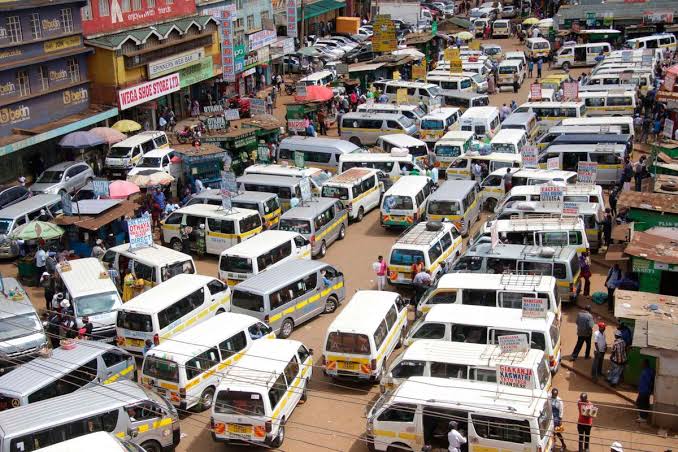

Matatu operators have announced a 10 per cent fare increase following the latest fuel price hikes by the Energy and Petroleum Regulatory Authority (EPRA), raising concerns over higher transport costs for commuters across Kenya. The Matatu Owners Association, led by its president Albert Karakacha, said the decision followed consultations with members struggling with rising operational expenses. The fare adjustment comes after EPRA announced new fuel prices on October 14, 2026, with the revised rates taking effect on October 15 and remaining in force until November 14, 2026.
Matatu Owners Announce 10 Per Cent Fare Increase
Karakacha said the association had advised its members to increase fares by 10 per cent to help cover the additional costs resulting from higher fuel prices. He explained that operators could no longer absorb the rising expenses while maintaining their previous fares without affecting their businesses. The announcement means commuters should prepare for increased transport costs, although the actual fares charged may vary depending on the route, distance and individual operator.
EPRA Raises Petrol, Diesel and Kerosene Prices
In its latest monthly review, EPRA increased the maximum retail price of Super Petrol by KSh 12.93 per litre, diesel by KSh 9.90 and kerosene by KSh 28.49. In Nairobi, the revised maximum pump prices are:
- Super Petrol: KSh 226.96 per litre
- Diesel: KSh 227.76 per litre
- Kerosene: KSh 219.87 per litre
The new rates apply from October 15 to November 14, 2026. The increase in diesel prices is particularly significant for public transport operators, many of whom depend on diesel-powered vehicles to ferry passengers daily.
Operators Cite Rising Business Costs
Beyond fuel, matatu operators say they are facing additional financial pressure from vehicle maintenance, spare parts, insurance premiums and other operating expenses. Karakacha argued that these costs have made it increasingly difficult for vehicle owners to maintain profitability without adjusting fares.
He also called on President William Ruto to honour earlier assurances concerning diesel prices, saying the latest increase had placed further pressure on the public transport industry. The association has also raised concerns about the effect of higher operating expenses on vehicle owners who rely on daily passenger revenue to meet their financial obligations.
Commuters Face Higher Transport Expenses
The fare increase is expected to place additional pressure on households already managing transport, food, school and other daily expenses. Workers who commute daily, students and small-scale traders who rely on public transport could be among those affected by the higher fares.
In areas where passengers depend on several matatu connections to reach their destinations, the adjustments could significantly increase daily commuting expenses. Higher transport costs may also affect businesses that rely on public transport and road-based movement to deliver goods and services.
Calls for Government Intervention
The Matatu Owners Association has urged the government to address the rising cost of fuel, warning that continued increases could threaten the sustainability of public transport businesses. The association has previously proposed measures such as fuel price stabilisation mechanisms to reduce the impact of sudden changes in international petroleum prices.
For now, commuters face the prospect of spending more on daily travel as operators respond to the latest EPRA review. The extent of the impact will depend on the routes affected and how individual operators implement the announced 10 per cent adjustment.
