





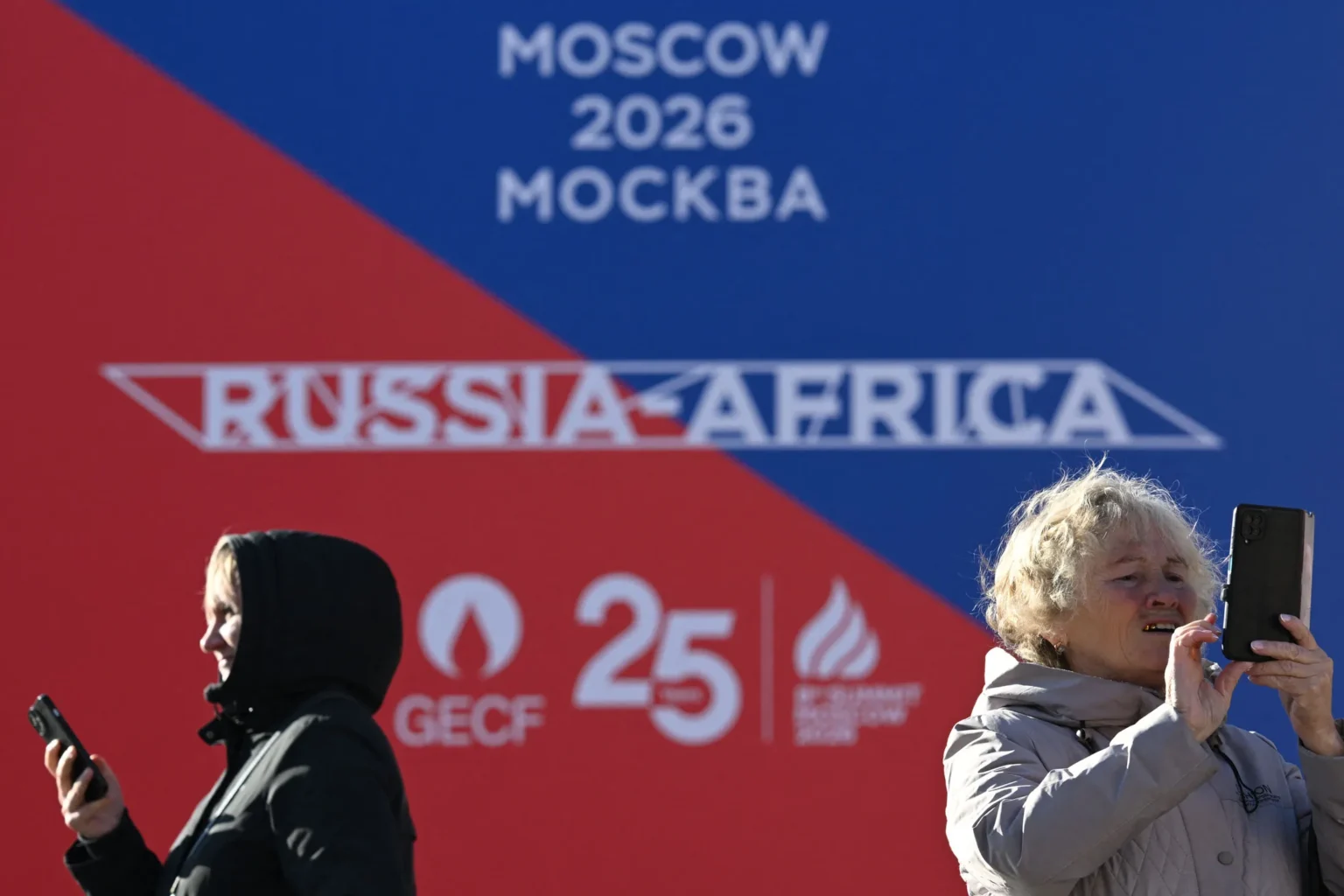
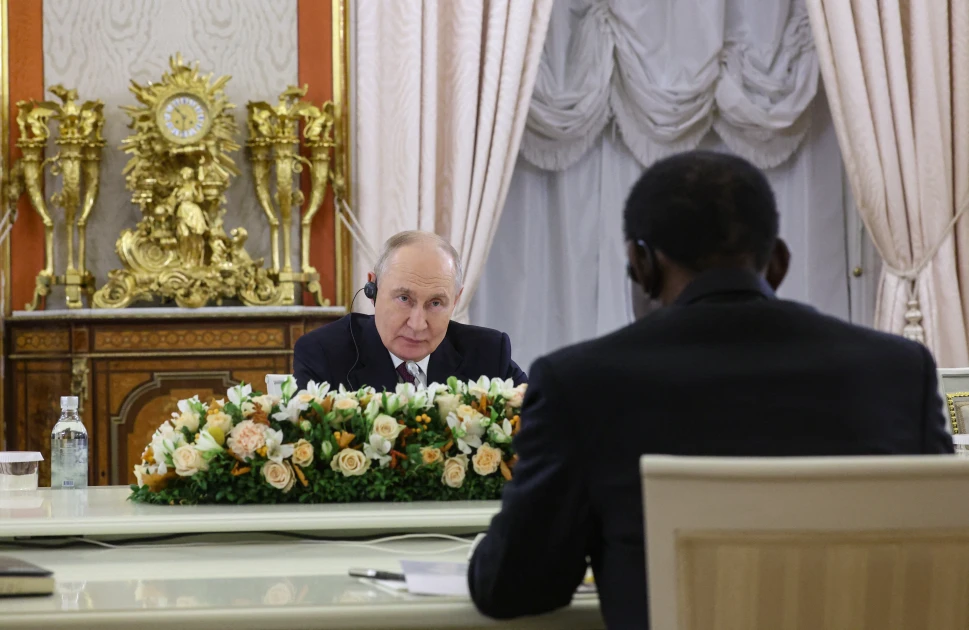
Russia is set to host 22 African heads of state and government in Moscow for a high-level summit aimed at strengthening political, economic and security relations between Moscow and African nations. The Russia-Africa summit, scheduled for Wednesday and Thursday, will bring together delegations from 48 African countries as President Vladimir Putin seeks to deepen Moscow’s influence across the continent amid continuing tensions with Western countries. The meeting comes as Russia faces extensive Western sanctions linked to its war in Ukraine and continues to provide security assistance to several African governments.
According to Kremlin aide Yuri Ushakov, the summit will focus on strengthening cooperation between Russia and African countries, which Moscow considers important partners in its pursuit of a multipolar global order. The concept advocates for a world in which political and economic influence is shared among several global powers rather than being concentrated in Western countries. Ushakov said the participating delegations would have opportunities to address the gathering during plenary sessions, allowing representatives to outline their priorities and discuss areas of mutual interest.
Russia Seeks to Strengthen Its Influence in Africa
Russia’s engagement with Africa dates back to the Soviet era, when Moscow established diplomatic and political relationships with several countries across the continent. In recent years, the Kremlin has stepped up efforts to strengthen these ties, presenting Russia as an alternative partner for African governments seeking to diversify their international relationships.
Putin has repeatedly criticised what he describes as Western neocolonialism, a message that has attracted support from some African leaders, particularly in the Sahel region, where several countries have reconsidered their traditional relationships with France. One of the leaders expected to meet Putin is Mali’s Assimi Goita. Mali has strengthened its relationship with Moscow as its military-led government seeks support in confronting jihadist groups.
Mali’s ruling junta took power through coups in 2020 and 2021 before moving away from its former colonial power, France, and deepening cooperation with Russia. The summit is expected to provide an opportunity for further discussions on security assistance, diplomatic cooperation and economic partnerships.
DR Congo and Rwanda Tensions Cast a Shadow Over Summit
The gathering will also take place against the backdrop of continuing tensions between the Democratic Republic of Congo (DRC) and Rwanda. DR Congo President Felix Tshisekedi is expected to attend the summit, while Rwanda will be represented by Prime Minister Justin Nsengiyumva. Relations between the two neighbouring countries have been strained by the conflict in eastern DR Congo, where the M23 rebel movement has captured large areas since resuming its armed campaign in 2021. Kinshasa has accused Kigali of supporting the M23 rebels, allegations Rwanda has disputed.
Despite diplomatic efforts, including a United States-brokered truce in December, fighting has continued to flare in parts of eastern DR Congo. The presence of representatives from both countries at the Moscow summit could provide an opportunity for diplomatic engagement, although the gathering’s main agenda also covers broader continental cooperation.
Economic Agreements and Diplomatic Expansion on the Agenda
Russia is also seeking to strengthen its economic relationships with African countries through trade, investment and cooperation agreements. The Kremlin says 33 documents are expected to be signed during the summit, with some focusing on economic cooperation between Russia and participating African nations. Education is another area of engagement, with Russian universities welcoming thousands of African students each year.
Moscow is also seeking to expand its diplomatic footprint across the continent. Russia currently has approximately 48 embassies in Africa, with plans to establish another in Liberia, according to the Kremlin. The summit reflects Russia’s broader effort to consolidate partnerships across Africa at a time when geopolitical competition, security concerns and economic interests are shaping international relations. For participating African governments, the meeting offers an opportunity to pursue bilateral agreements and explore cooperation in areas such as trade, education, security and investment.
