








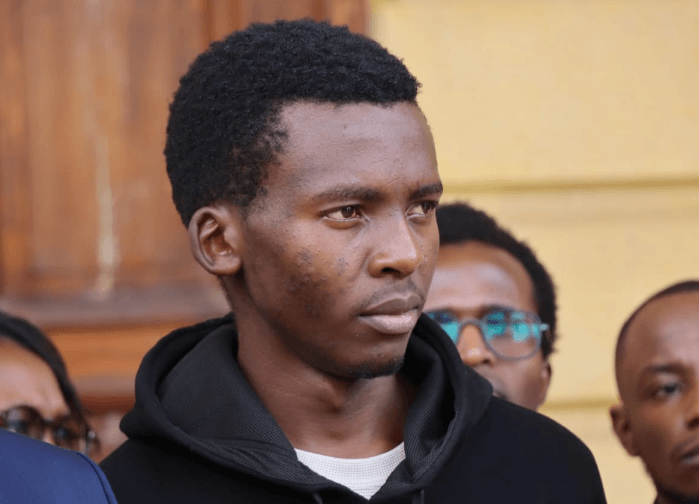
The High Court of Kenya has extended conservatory orders barring the Directorate of Criminal Investigations (DCI), Safaricom, and other parties from sharing the personal data of David Mokaya without his consent. The decision was issued by Bahati Mwamuye when the matter came up for mention on Monday, reinforcing earlier protections granted to the petitioner as the case awaits full hearing and determination.
During the proceedings, Senior Counsel John Ohaga, representing the respondents, informed the court that a similar petition had been filed by the Law Society of Kenya (LSK). He indicated that there had been an attempt to merge the two cases to streamline proceedings. However, Mokaya’s legal team, led by Danstan Omari, opposed the proposal to consolidate the matters, signaling differing legal strategies between the parties involved. Justice Mwamuye directed that the case will be mentioned again on April 9 for further directions.
The petition stems from a separate criminal case in which Mokaya, a university student, had been charged over a social media post linked to President William Ruto. Mokaya was later acquitted after the prosecution failed to substantiate the charges in a case heard at the Milimani Chief Magistrate’s Court. The ruling raised serious concerns about how investigators handled evidence.
In its judgment, the trial court faulted investigators for improperly seizing and examining Mokaya’s electronic devices. It noted that the devices were taken without proper legal authorization and subjected to forensic analysis in violation of constitutional safeguards. The court emphasized that digital devices hold vast amounts of personal information and therefore require stricter legal protection when accessed or examined by authorities.
Following his acquittal, Mokaya moved to the High Court seeking urgent intervention to prevent what he describes as the unlawful use and disclosure of his personal data. In addition to the protective orders, he is also seeking KSh 200 million in compensation for alleged violations of his constitutional rights.
The case highlights growing concerns around digital privacy, data protection, and the limits of investigative powers in Kenya. As technology continues to play a central role in both communication and evidence gathering, courts are increasingly being called upon to define the boundaries between security enforcement and individual rights. The outcome of this case could set an important precedent on how personal data is handled in criminal investigations going forward.
