




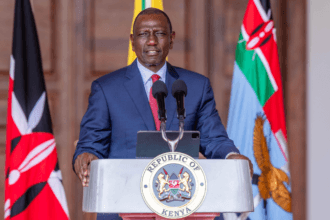



Jamhuri Day is celebrated every 12th of December and it remains one of the most powerful national holidays in Kenya. The word “Jamhuri” comes from Swahili, meaning republic, and that is exactly what this day represents: the moment Kenya became a republic in 1964, exactly one year after gaining independence from British rule. While many Kenyans associate the day with colourful parades, public speeches, and a welcome mid-December break, the meaning runs much deeper than a national ceremony. It is a reminder of identity, struggle, unity, and the possibility of a brighter future.
In 2025, as thousands gather in stadiums across the country and millions follow the celebrations from home, Jamhuri Day continues to spark reflection on how far the nation has come, and where it hopes to go.
A Day Rooted in History and Sacrifice
To understand why Jamhuri Day holds such weight, it helps to revisit its origins.
Kenya’s journey to self-rule was not simple. It took years of:
- Political organization
- Resistance against colonial policies
- Leadership from early nationalists
- Courage from ordinary citizens
Jamhuri Day stands as a symbol of the sacrifices that opened the door to freedom. Many families across the country still carry stories told by parents and grandparents about life before independence. These memories remind younger generations that the freedoms enjoyed today were earned through determination and resilience.
Why Jamhuri Day Still Matters Today
- A Moment to Reflect on National Identity
Jamhuri Day invites Kenyans to think about what it truly means to be Kenyan. Despite different ethnicities, languages, and cultural backgrounds, the country celebrates this day as one people. The flag, the anthem, and the collective history tie everyone together.
- A Celebration of Progress
Each year, the national celebrations highlight the country’s achievements in areas like:
- Infrastructure
- Innovation and technology
- Sports
- Healthcare
- Youth empowerment
Speeches from national leaders often emphasize ongoing reforms and the government’s priorities for the coming year. For many, Jamhuri Day becomes a chance to evaluate whether the country is moving in the right direction.
Encouraging Active Citizenship
National events like Jamhuri Day remind citizens of their role in shaping Kenya’s future. Voting wisely, respecting laws, supporting community initiatives, and promoting peace are all part of responsible citizenship.
Bringing Kenyans Together
From the military parade to cultural performances, the day brings a sense of unity and pride. Families gather at home, children learn about history, and communities bond through events, concerts, and charity activities. In a world that sometimes feels divided, Jamhuri Day acts as a glue that brings people together.
The 2025 Celebrations: A Blend of Tradition and Vision
This year’s Jamhuri Day celebrations reflect both the past and the future. As usual, the main ceremony is filled with tradition flag-raising, military displays, music, and cultural dances. However, there is also a growing focus on:
- Digital transformation
- Youth innovation
- Economic empowerment
- Regional cooperation
- Climate action
Kenyans are reminded that independence was not just about breaking free from colonial rule, but also about building a nation that supports growth, opportunity, and dignity for all.
What Jamhuri Day Means for the Youth
Kenya is a youthful country, and for many young people, Jamhuri Day serves as a reminder that the future belongs to them. It inspires hope that:
- Hard work can create change
- Innovation can solve national challenges
- Leadership can start early
- Patriotism includes holding leaders accountable
- Unity matters more than division
For students, creators, athletes, and young entrepreneurs, Jamhuri Day is both a celebration and a challenge to build on what previous generations fought for.
A Time to Look Ahead
As the flag rises and the celebrations unfold, Jamhuri Day pushes Kenyans to ask important questions:
- What kind of country do we want to build?
- How can ordinary citizens contribute to progress?
- What lessons from the past can guide our future?
- How do we stay united despite our differences?
These questions keep the spirit of Jamhuri alive, not as a historical event, but as a living reminder of Kenya’s destiny.
Conclusion: The Spirit of Jamhuri Lives On
Jamhuri Day is more than a national event; it is a yearly reminder of Kenya’s resilience and potential. It honours a difficult past, celebrates the present, and inspires hope for a better tomorrow. As Kenyans raise their flags, share meals, attend celebrations, and reflect with pride, one truth remains clear: The spirit of Jamhuri is the spirit of Kenya itself—bold, hopeful, and unbreakable
