






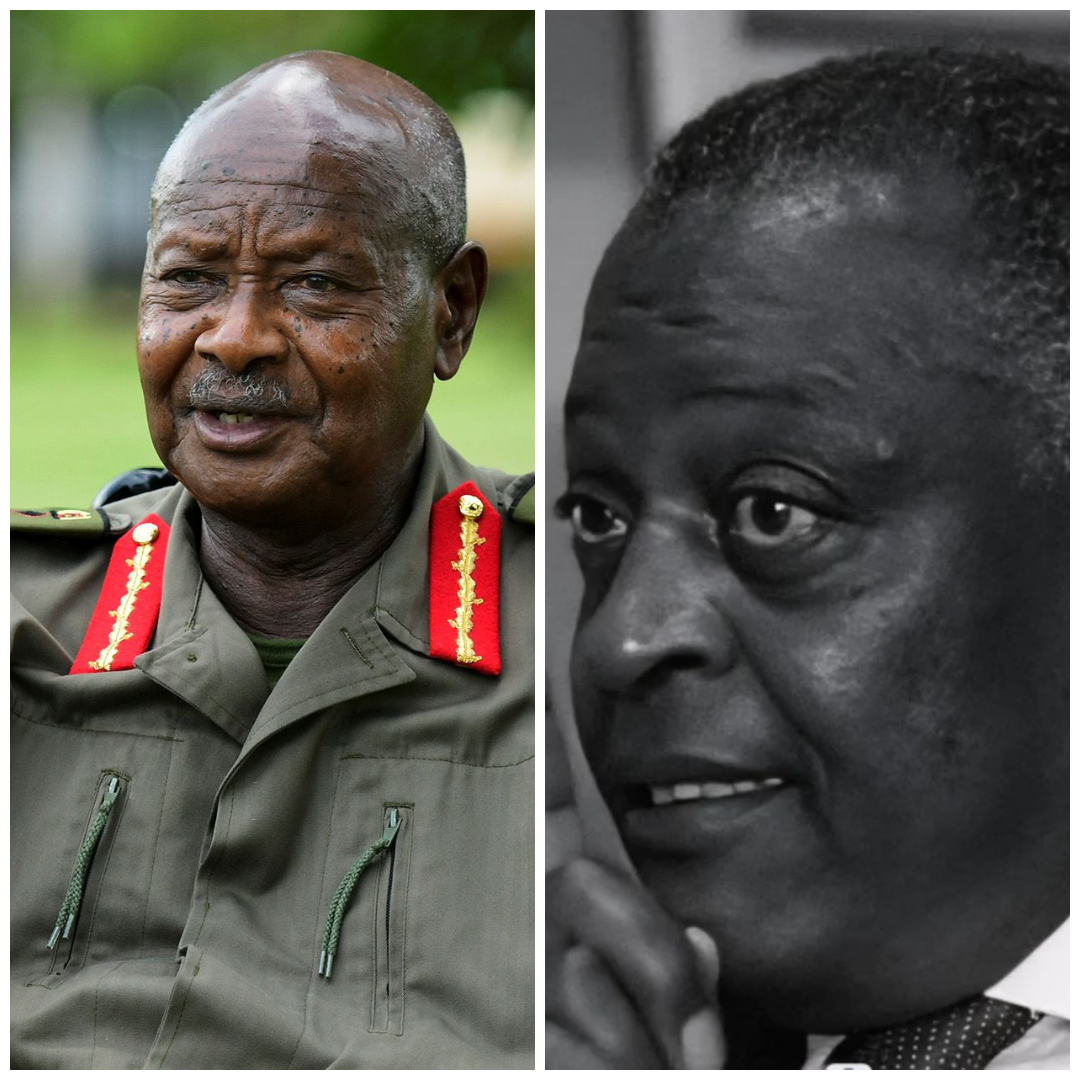
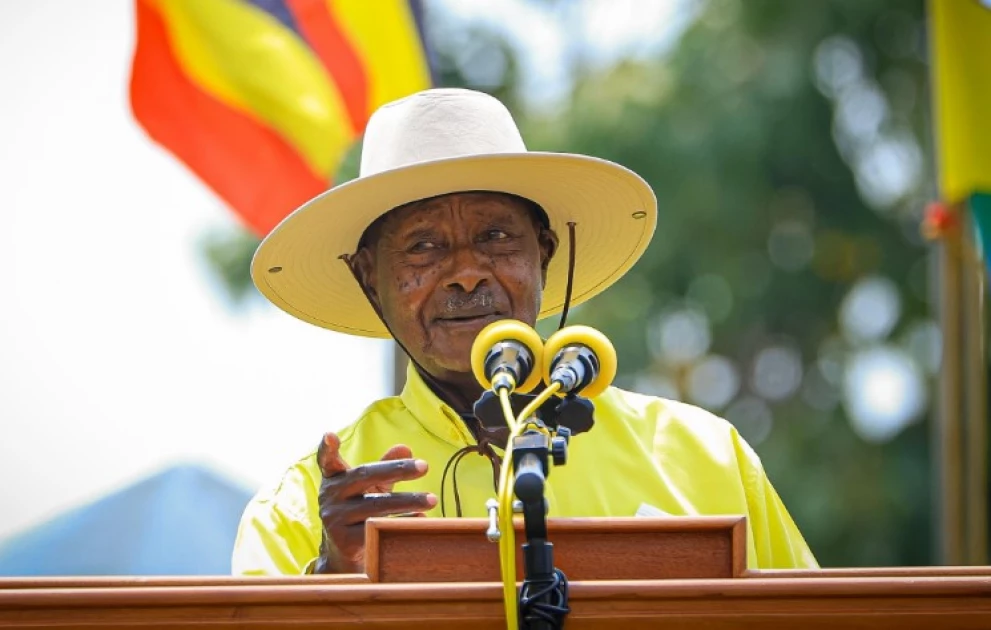
Ugandan President Yoweri Museveni has identified a Kenyan politician he referred to as “Jirongo” as the person who alerted him to alleged irregularities surrounding the Government-to-Government (G-to-G) petroleum supply arrangement involving Kenya and Uganda.
Museveni said the Kenyan politician raised concerns with him in 2019, claiming that Uganda was obtaining petroleum products through intermediaries in Kenya rather than accessing supplies through a direct government arrangement. According to Museveni, the information prompted him to instruct the then Ugandan Energy Minister Irene Muloni to investigate and address the matter.
It was a Kenyan Senator called Jirongo who told me this around 2019
President MuseveniThe Ugandan President made the remarks while responding to controversy surrounding comments he had earlier made about Uganda’s petroleum procurement arrangements.
Museveni Raises Questions Over Middlemen
Museveni had previously claimed that Uganda was purchasing petroleum products through intermediaries in Kenya despite the existence of a government-to-government framework. He said the revelation surprised him and questioned why Ugandan officials had allowed what he described as an unnecessarily expensive procurement structure to continue.
The Ugandan leader said the information eventually influenced his government’s decision to move away from the arrangement and pursue direct procurement of bulk petroleum products. His comments came during a groundbreaking ceremony for a 320-million-litre petroleum storage facility in Mpigi District, where he spoke about Uganda’s efforts to strengthen its petroleum infrastructure and improve access to fuel supplies.
Museveni Accuses Kenyan Media of Adding ‘Pilipili’
Museveni has also pushed back against what he described as inaccurate interpretations of his earlier remarks by sections of the Kenyan media. The Ugandan President said some Kenyan media outlets had added “pilipili”, a Swahili expression referring to red pepper, to his comments about the petroleum arrangement. He maintained that his remarks were focused on how Uganda had previously sourced petroleum products and the information that led his government to reconsider the procurement process.
Kenya Government Rejects Irregularity Claims
The controversy has prompted a response from Kenya’s Ministry of Energy and Petroleum. Energy Cabinet Secretary Opiyo Wandayi dismissed suggestions that Kenya’s G-to-G fuel importation arrangement involved irregular dealings, explaining that the framework was introduced to address challenges affecting the petroleum supply chain. Wandayi said Kenya entered into an arrangement with major international oil companies in 2023 after the country experienced liquidity pressures linked to a shortage of US dollars.
Under the arrangement, Aramco Trading Fujairah FZE, ADNOC Global Trading Ltd and Emirates National Oil Company (ENOC) were contracted to supply refined petroleum products to Kenya on extended credit terms of up to 180 days. The CS explained that international oil companies later appointed licensed Kenyan companies to handle local logistics and distribution of the imported petroleum products. Among the companies initially involved were Gulf Energy Limited, Galana Energies Limited and Oryx Energies Kenya Limited.
Wandayi said additional Kenyan counterparties were later nominated as the transactions became less risky and confidence in the supply system increased. These included One Petroleum Limited, Asharami Synergy Limited and BE Energy Limited.
Gachagua Says Museveni’s Claims Support His Concerns
Former Deputy President Rigathi Gachagua, who has repeatedly criticised Kenya’s G-to-G petroleum arrangement, said Museveni’s remarks had strengthened concerns he had previously raised about the deal. Gachagua alleged that President William Ruto was behind the arrangement and claimed that companies in the Middle East had been used in the procurement process. He further alleged that Gulf Energy acted as a local proxy in the arrangement.
Gachagua’s claims remain allegations, while the Kenyan government has maintained that the G-to-G framework was established to ease pressure on the country’s foreign-exchange reserves and ensure a reliable supply of petroleum products. The conflicting statements from Uganda, Kenya’s Energy Ministry and opposition figures have renewed public debate over the structure of Kenya’s petroleum importation system, the role of private oil companies and the transparency of government-to-government fuel arrangements.
