







More than two million people living in Kenya’s arid and semi-arid lands (ASALs) face severe food shortages as drought conditions intensify. With rains failing and water sources drying up, communities are bracing for worsening hunger and depletion of essential resources. The latest advisory paints a bleak outlook for communities in the country’s dry regions, where the October–December short rains failed, compounding already fragile conditions. By the end of December, the number of people projected to face extreme hunger is expected to rise from 1.8 million to 2.14 million, signalling a worsening emergency.
Pastoralist Communities Hit Hard
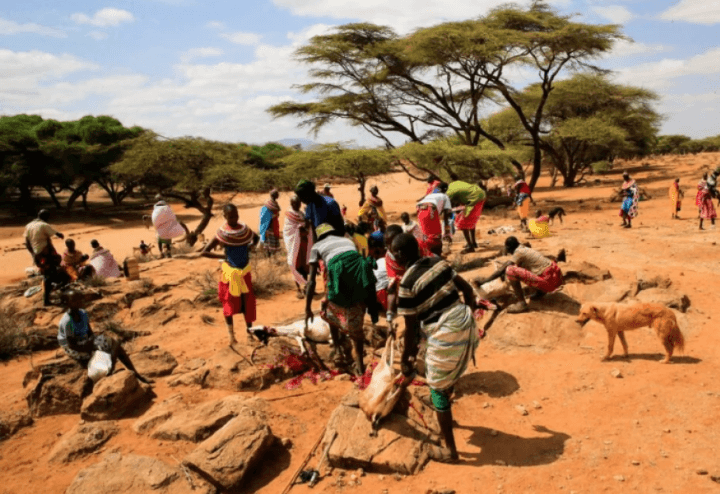
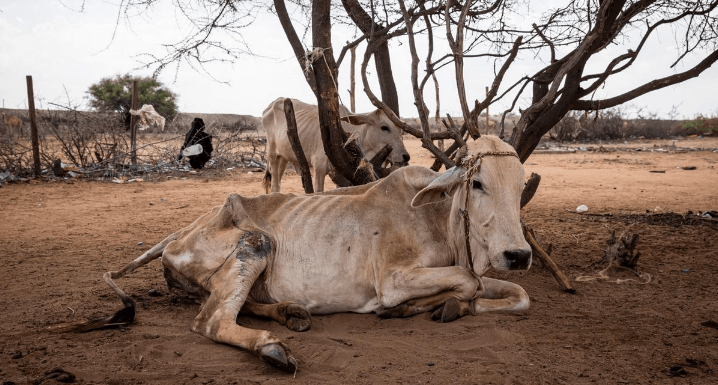
Pastoralist families are bearing the brunt of the drought, especially in regions such as Shompole in Kajiado County, where livestock keepers are struggling to keep their animals alive. With grazing fields depleted, many farmers are now forced to purchase hay at sharply inflated prices, stretching household incomes already strained by food shortages.
In many households, finding enough food for their families has become a daily struggle. Access to water has become equally difficult, as traditional water points dry up at alarming rates. Women and children now walk long distances in search of the little water available, a burden that takes a toll on health and productivity.
Counties in Alert and Alarm Stages
Kajiado is among nine counties currently classified in the alert phase, signalling worsening drought conditions. Others in this phase include:
- Wajir
- Garissa
- Kilifi
- Kitui
- Marsabit
- Kwale
- Isiolo
- Tana River
These counties are grappling with shrinking water sources, dying pastures, and insufficient food supplies, prompting increased concern among humanitarian agencies.
Meanwhile, Mandera County has moved into the alarm stage, indicating severe shortages and urgent need for food aid, water trucking, and livestock support.
Counties Showing Early Signs of Stress
Thirteen counties remain in the normal drought phase, meaning conditions are currently manageable but beginning to show worrying indicators. These include:
- Samburu
- Turkana
- Taita Taveta
- West Pokot
- Tharaka Nithi
- Embu
- Nyeri
- Laikipia
- Narok
- Baringo
- Makueni
- Meru
- Lamu
Experts warn that without consistent rainfall and timely intervention, these counties may also deteriorate into the alert phase in the coming months.
Government and NDMA Monitoring the Situation
The National Drought Management Authority (NDMA) is closely observing developments across the affected regions, as pressure mounts on the government to step up emergency responses. Humanitarian groups and local leaders are calling for urgent measures including:
- Food relief support
- Water trucking and borehole rehabilitation
- Emergency livestock feeds
- Health and nutrition interventions for vulnerable families
With millions at risk, experts emphasize that swift, coordinated action is necessary to protect both human lives and livestock, which remain the backbone of many livelihoods in ASAL communities.
A Race Against Time
As the country battles yet another cycle of drought, the humanitarian situation remains delicate. Without urgent mitigation efforts, the number of households facing hunger is expected to rise, placing immense strain on communities already living on the edge. The coming weeks will be critical in determining how quickly support can reach those most affected and how effectively the nation can respond to the worsening crisis.
