






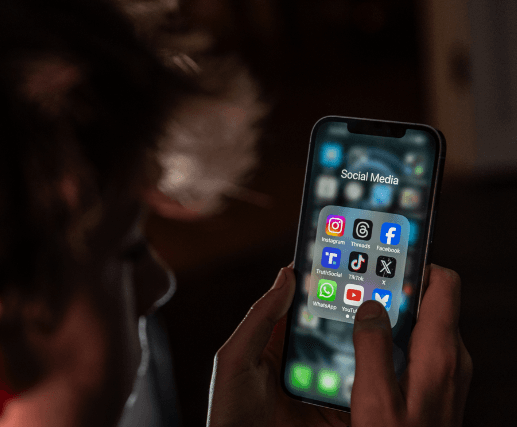
Britain’s House of Lords has voted in favour of a proposal to ban children under the age of 16 from accessing social media platforms, intensifying pressure on the government to consider similar legislation already adopted in Australia. The vote, held on Wednesday, saw peers support an amendment calling for the restriction, adding momentum to growing political and public debate around children’s online safety. The measure was introduced by opposition Conservative peer John Nash and was jointly sponsored by members of the Labour Party and the Liberal Democrats. It passed by 261 votes to 150.
Prime Minister Keir Starmer has said his government is open to taking action to protect children online but has so far stopped short of committing to a ban. On Monday, Starmer noted that no options were off the table, though the government prefers to await the outcome of a public consultation expected later this summer before moving to legislate. Pressure is mounting from both sides of Parliament. More than 60 Labour MPs have publicly urged the prime minister to support the ban, while opposition lawmakers have pointed to Australia, where under-16s have been barred from social media platforms since December 10, as a model the UK should follow.
Speaking after the vote, Nash said peers had prioritised the welfare of young people. He argued that the decision marked the beginning of efforts to address what he described as serious harm caused by social media to children and teenagers. Despite the House of Lords’ decision, Downing Street indicated ahead of the vote that the government does not intend to accept the amendment in its current form. The proposal will now move to the Labour-controlled House of Commons for consideration.
The debate has also drawn attention beyond Parliament. Public figures, including actor Hugh Grant, have voiced support for the ban, arguing that parents alone cannot adequately protect children from the negative effects of social media. However, some child-protection organisations have cautioned that an outright ban could give a false sense of security and fail to address deeper online safety challenges.
Public opinion appears largely supportive of tougher measures. A YouGov poll conducted in December found that 74 percent of Britons were in favour of banning under-16s from social media. Meanwhile, the UK’s existing Online Safety Act already requires platforms to implement robust age-verification systems to prevent children from accessing harmful content. As the issue moves to the Commons, the government faces a growing dilemma over whether to follow Australia’s lead or pursue alternative regulatory approaches to safeguard children online.
