






The United Nations World Food Programme (WFP) has warned that a strengthening El Niño weather pattern could deepen food insecurity across vulnerable parts of the world, with its effects expected to continue into 2027. The agency says it is increasing preparedness and early-response measures as countries begin experiencing the effects of changing weather patterns.
According to WFP, forecasts indicate a high likelihood of a very strong El Niño developing in 2026 and continuing into the early months of 2027. The climate pattern could trigger heavy rainfall and flooding in some regions while causing prolonged drought in others, threatening crops, livestock, water supplies and livelihoods.
WFP Acting Executive Director Carl Skau said early intervention would be critical in protecting communities already facing food insecurity. The agency has begun scaling up anticipatory action in eight countries by positioning food, cash assistance and logistical resources before severe weather conditions worsen.
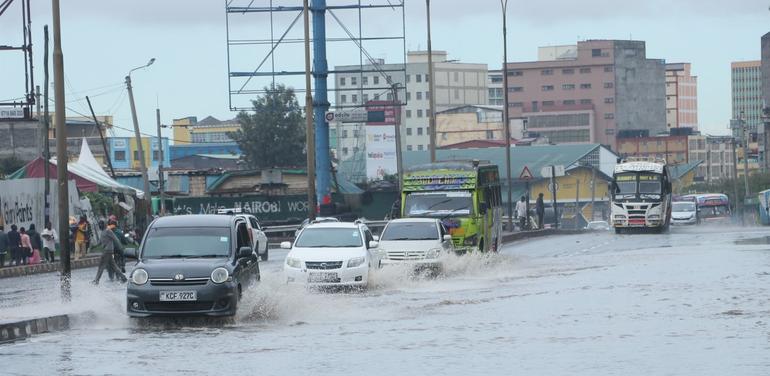
Kenya is also preparing for the anticipated effects of the weather pattern. A risk assessment by the National Disaster Operations Centre (NDOC) has identified several counties across the country that could face flooding, drought, landslides and other climate-related challenges. Nairobi, Mombasa and Kisumu have been identified as high-risk urban centres, where heavy rainfall could overwhelm drainage systems and disrupt essential services.
Along the Coast, Tana River, Kilifi, Lamu, Mombasa and Kwale face risks including flooding, coastal erosion, storm surges and infrastructure damage. In the Lake Basin, Kisumu, Busia, Siaya, Homa Bay and Migori could experience flooding, landslides, disease outbreaks and displacement.
The Rift Valley counties of Turkana, Baringo, West Pokot and Narok face a combination of possible drought, flash floods, landslides, livestock losses and food insecurity. Meanwhile, Garissa, Wajir and Mandera in North Eastern Kenya could experience water shortages, poor pasture, livestock losses and worsening food insecurity.
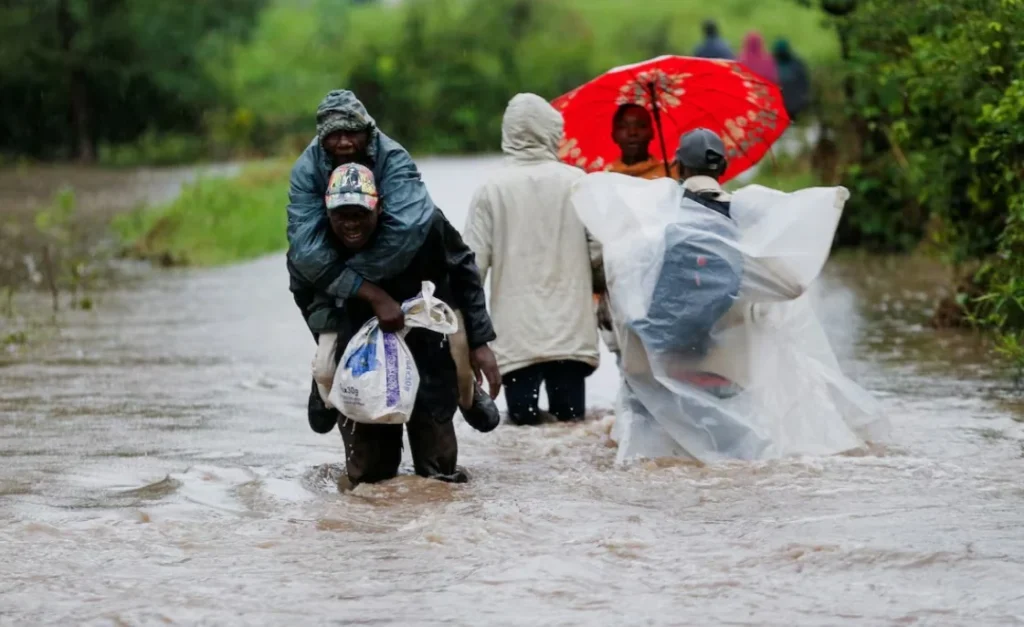
Kenya has previously experienced major disruptions associated with El Niño. The 1997-1998 event caused widespread flooding, deaths, and extensive destruction of homes, roads, and bridges. Other significant episodes occurred in 2006-2007, 2015-2016 and 2023-2024, with the most recent event resulting in heavy rainfall, flooding and landslides that affected communities and damaged infrastructure and livelihoods.
The Kenya Meteorological Department has warned that parts of the country could receive above-normal rainfall from October as the current El Niño pattern develops.
Experts note that the severity of flooding is not determined by rainfall alone. Weak drainage systems, poor sanitation, inadequate housing and vulnerable infrastructure can turn heavy rains into major humanitarian emergencies. Rapid urbanisation has also increased exposure, particularly in informal settlements and areas located near waterways or flood-prone zones. Strengthening drainage systems, improving infrastructure and ensuring settlements are properly planned could therefore reduce the impact of extreme weather.
Authorities and humanitarian agencies are considering measures such as pre-positioning food and medical supplies, clearing drainage systems and strengthening early-warning mechanisms. Cash transfers and other social protection programmes could also help vulnerable families cope with disruptions without being forced to sell livestock or other productive assets. WFP says acting before a disaster occurs can save lives and reduce the cost of emergency response.
With the expected El Niño peak still ahead and its effects potentially extending into 2027, Kenya and other affected countries have a limited window to strengthen their preparedness. For Kenya, priority areas include improving drainage and infrastructure, strengthening early-warning systems and ensuring emergency supplies are available in high-risk counties.
The focus, according to humanitarian agencies, should be on preventing severe impacts rather than waiting until communities are already facing floods, drought and displacement.
