




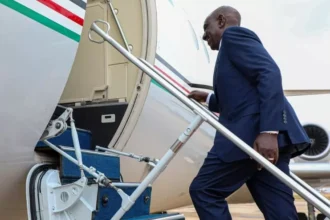

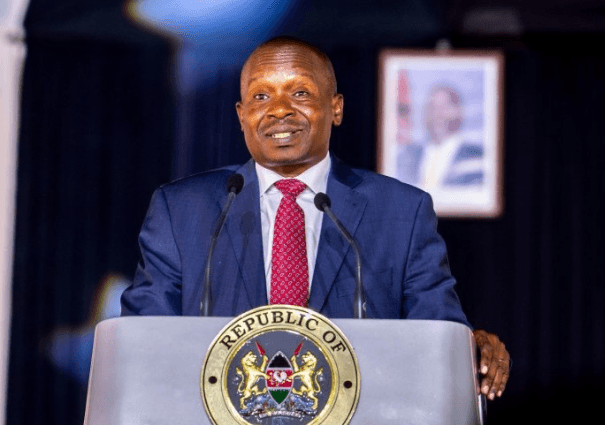
Kenya’s Deputy President Kithure Kindiki is facing mounting criticism over reports that his office spends approximately KSh8 million daily on helicopter travel. The revelations have sparked public debate on government expenditure, accountability, and the prioritisation of public resources.
Questions have been raised by both leaders and citizens over the necessity of such high daily costs, especially at a time when many Kenyans are grappling with the rising cost of living. Critics argue that the reported expenditure reflects a disconnect between government spending and the economic realities faced by ordinary citizens.
Some have called for greater transparency, urging the Deputy President’s office to provide a detailed breakdown of the costs, including the frequency of flights, operational expenses, and the justification for relying heavily on air transport.
Supporters of the Deputy President have defended the expenditure, citing the demanding nature of his role. They argue that helicopter travel is often necessary to enable him to attend multiple engagements across different regions within a limited timeframe, particularly in areas with limited road infrastructure.
They further maintain that such logistical arrangements are not unique to the current administration and have been part of high-level government operations for years.
Debate on Accountability
The issue has reignited broader conversations around fiscal responsibility in government. Analysts note that while official travel is necessary, it must be balanced with prudent use of taxpayer funds.
Transparency advocates are pushing for stronger oversight mechanisms to ensure public funds are used efficiently. They also stress the importance of aligning government spending with national priorities, especially during periods of economic strain.
Political Implications
The controversy is likely to have political ramifications, with opposition figures seizing on the issue to question the administration’s commitment to responsible governance. At the same time, allies of the Deputy President have dismissed the criticism as politically motivated.
Regardless of the differing viewpoints, the discussion has placed government spending under renewed scrutiny and highlighted the need for open communication between leaders and the public.
As the debate continues, attention will be on whether the Deputy President’s office will release further details to clarify the reported figures. For many Kenyans, the key concern remains whether public funds are being utilised in a way that delivers value and supports national development. The issue serves as a reminder that transparency and accountability remain central pillars in maintaining public trust in leadership.
