






Global financial markets experienced fresh turbulence on Tuesday as oil prices climbed sharply while stock markets retreated. Investors are increasingly uneasy as diplomatic efforts to end the Middle East conflict show signs of stalling, raising fears of prolonged disruption—especially around the strategic Strait of Hormuz.
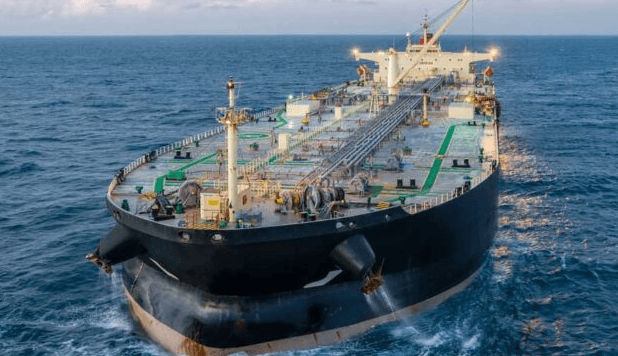
Crude oil prices surged by more than three percent, with both Brent and U.S. benchmarks posting strong gains. The rally comes amid uncertainty over tanker movements through the Strait of Hormuz, a vital global shipping route for oil. Tensions escalated after Iran signaled that negotiations with the United States were at a critical point. The situation worsened following warnings from Donald Trump that a potential truce was close to collapse, further unsettling energy markets.
The rise in oil prices is now feeding into global inflation concerns. In the United States, the latest data from the Bureau of Labor Statistics showed that consumer prices rose by 3.8 percent in April, marking the highest increase in nearly three years. Even when excluding food and energy, inflation remains persistent, an indication that price pressures are deeply embedded in the economy. Analysts say this could delay any plans by central banks to cut interest rates.
Government bond yields also surged, particularly in the United Kingdom, where economic pressures are being compounded by political uncertainty. The leadership of Keir Starmer is facing growing scrutiny, adding to market jitters. The UK’s 30-year bond yield climbed to levels not seen since the late 1990s, while 10-year yields reached highs last witnessed during the 2008 financial crisis—reflecting investor anxiety over inflation and governance challenges.
On Wall Street, major indices including the S&P 500 and the Nasdaq Composite declined after recently hitting record highs. Analysts attribute the drop to a mix of profit-taking and broader concerns about inflation and geopolitical risks. Technology stocks, which have been driving market gains in recent months, showed signs of fatigue as investors reassessed valuations in a more uncertain environment.
Asian markets were not spared. South Korea’s Kospi index fell sharply, weighed down by proposals to introduce taxes on artificial intelligence profits. This comes despite strong performance from major tech firms like Samsung and SK hynix, which have benefited from a global chip boom.
Investors are now closely watching upcoming talks between the United States and China, as Donald Trump prepares to meet Xi Jinping in Beijing. Key issues expected to dominate discussions include trade, tariffs, Taiwan, and access to critical resources such as rare earth minerals. High-profile business leaders, including Elon Musk and Tim Cook, are also set to attend, signaling the importance of strengthening economic ties between the two global powers.
he combination of rising oil prices, persistent inflation, and geopolitical uncertainty has created a volatile environment for global markets. As tensions in the Middle East continue and major economies navigate complex political and economic challenges, investors are bracing for more fluctuations in the days ahead.
