





The World Health Organization has warned that while the risk posed by the current Ebola outbreak in Central Africa is high at the national and regional levels, the global threat remains low. The agency noted that the virus may have been spreading undetected for several months before authorities officially confirmed the outbreak.
The latest outbreak of the highly infectious haemorrhagic disease was declared last Friday in the eastern part of the Democratic Republic of Congo. This marks the 17th Ebola outbreak in the country. So far, the outbreak is suspected to have caused at least 139 deaths out of approximately 600 probable cases. However, health officials warn that these figures could rise as investigations continue. WHO Director-General Tedros Adhanom Ghebreyesus said the numbers are expected to increase due to the delay in detecting the outbreak.
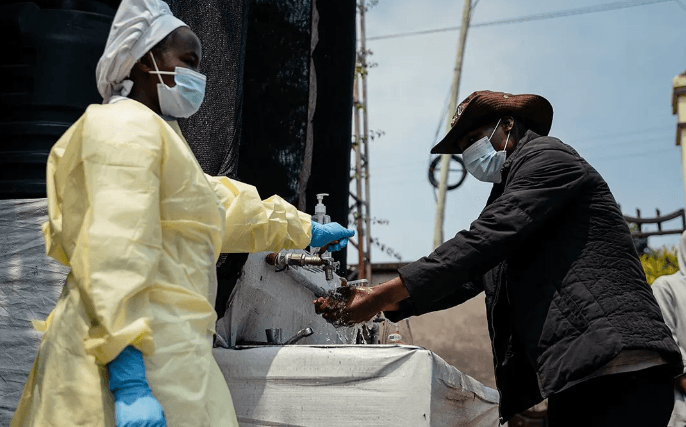
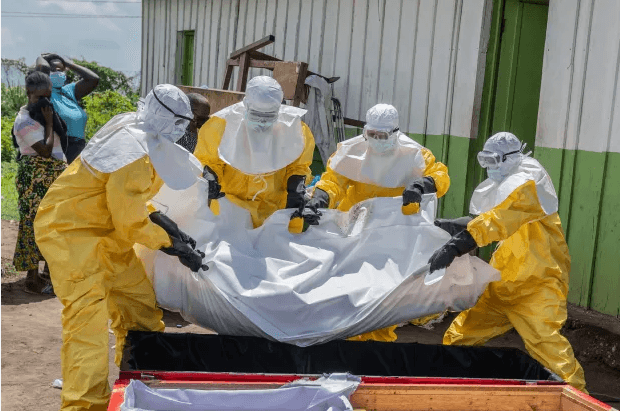
Health experts believe the virus had been circulating for weeks before it was identified. According to WHO officials, the outbreak may have started months earlier, complicating containment efforts. In affected areas such as Ituri province, medical facilities are still receiving essential supplies, including isolation equipment and protective gear for healthcare workers. Local reports indicate that some communities have been forced to bury victims without proper protective equipment, increasing the risk of further spread.
The WHO has classified the outbreak as a Public Health Emergency of International Concern (PHEIC) — the second-highest level of global alert under international health regulations. Despite this, the agency clarified that the situation does not qualify as a pandemic. Following an emergency committee meeting, the WHO stated that the outbreak presents: High risk nationally and regionally, Low risk globally
The outbreak is being driven by the Bundibugyo strain of Ebola, a rare variant that is harder to detect using standard tests designed for the more common Zaire strain. Currently, no approved vaccines exist for this strain, and no specific treatments are available. As a result, health officials are focusing on contact tracing, isolation of suspected cases, and supportive care for patients.
While most cases are concentrated in remote areas of eastern DRC, the virus has already crossed borders. Two confirmed cases have been reported in Kampala, including one death. Additionally, an infected U.S. doctor has been transferred to Germany for treatment. Governments have begun implementing precautionary measures, including:
- Passenger screening at airports
- Temporary visa restrictions
- Travel bans from affected countries
Investigations into the source of the outbreak are ongoing. The first known case involved a nurse treated in Bunia, though evidence suggests the outbreak may have originated in Mongbwalu, about 90 kilometres away. The WHO confirmed it was first alerted to a mysterious illness in early May, with the initial positive Ebola test recorded shortly after.
The agency has defended its response timeline following criticism from U.S. officials. Tedros stated that such concerns may stem from a misunderstanding of how international health regulations operate, emphasizing that the WHO supports national authorities rather than replacing them.
