







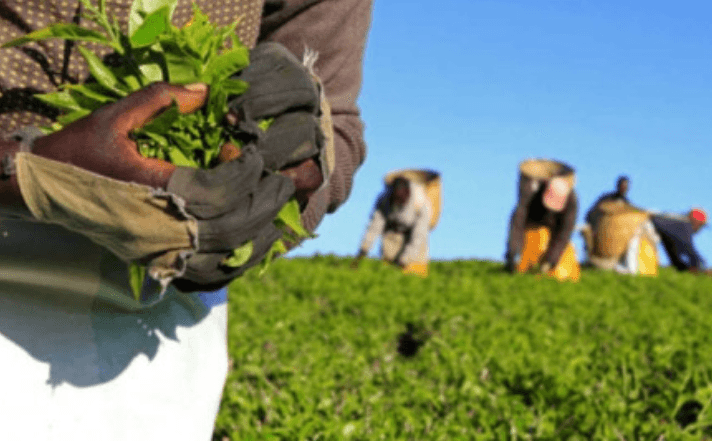
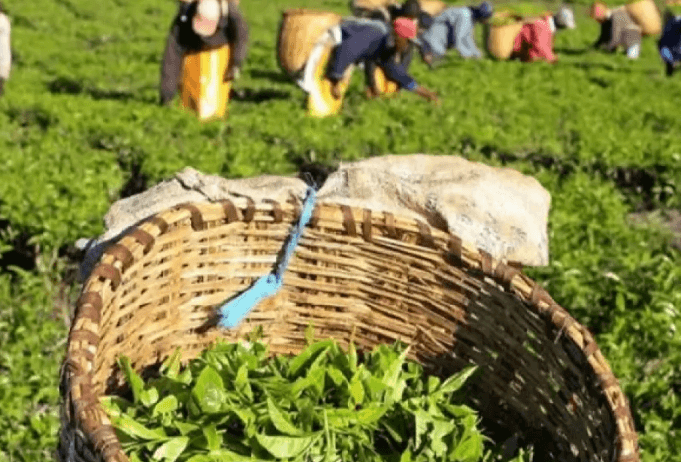
Tea farmers across Kenya could see reduced bonus payments this year due to ongoing challenges in the international tea market that have slowed sales. The Chairman of the Kenya Tea Development Agency (KTDA), Enos Njeru, has raised concerns over a noticeable drop in demand for Kenyan tea abroad. He attributes this decline to the recently introduced 0.8 percent export levy, which has made Kenyan tea more expensive for international buyers. According to Njeru, the added cost is discouraging some buyers, with others opting to cut back or completely halt their purchases.
As a result of reduced demand, warehouses are now experiencing a buildup of unsold tea. Export volumes have declined, leaving producers struggling to maintain consistent sales in key global markets. This situation is directly impacting farmers, as lower sales translate to reduced earnings and smaller annual bonuses.
KTDA is now urging the government to review and scrap the export levy. Njeru argues that removing the charge would help lower prices, attract buyers back to the market, and restore Kenya’s competitiveness globally. He emphasized that such a move would ultimately improve returns for millions of smallholder farmers who depend on tea farming for their livelihoods.
Tea remains one of Kenya’s top foreign exchange earners and supports thousands of households across the country. However, stakeholders warn that without timely policy adjustments, the sector risks further decline. There are growing calls for urgent government action to protect farmers’ incomes and stabilize the tea industry in the face of global market pressures.
