








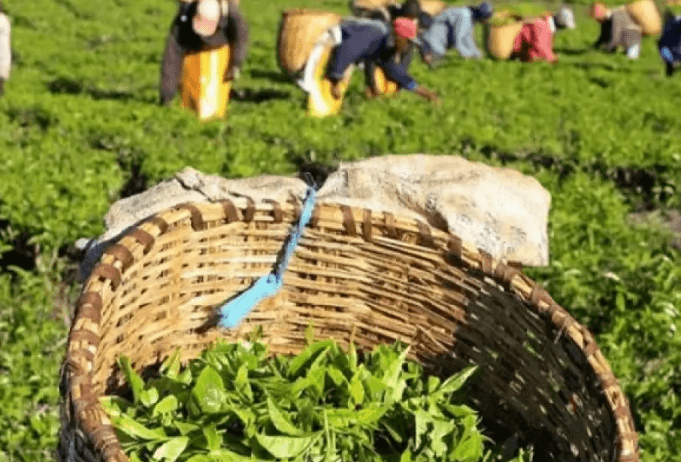
Kenya’s tea industry continues to show resilience, with the government dismissing concerns that the Tea Levy is negatively affecting farmers and stakeholders. Agriculture Cabinet Secretary Mutahi Kagwe has assured industry players that the Tea Levy is not harming the sector. According to him, tea uptake has surged to 93 percent — the highest level recorded in recent years. This significant increase reflects sustained global demand for Kenyan tea, reinforcing the country’s position as one of the world’s leading tea exporters.
The Tea Levy has been a topic of debate among farmers and processors, with some expressing fears that it could reduce earnings and competitiveness. However, the government maintains that the levy is structured to support long-term industry growth rather than hinder it. CS Kagwe emphasized that the improved uptake demonstrates confidence in Kenya’s tea value chain despite the concerns raised.
Boost from Global Markets
The strong performance has been partly driven by:
- Increased demand in export markets
- Improved quality and consistency of Kenyan tea
- Strategic reforms within the sector
These factors have helped cushion farmers and exporters against global economic pressures.
Government’s Commitment to the Tea Sector
The Ministry of Agriculture has reiterated its commitment to strengthening the tea industry through:
- Policy reforms
- Market expansion strategies
- Support for farmers and cooperatives
Kagwe noted that the government will continue monitoring the impact of the Tea Levy to ensure it benefits all players in the value chain.
With uptake levels at a multi-year high, the tea sector appears poised for continued growth. Stakeholders remain optimistic that ongoing reforms and stable demand will further enhance earnings and sustainability.
