





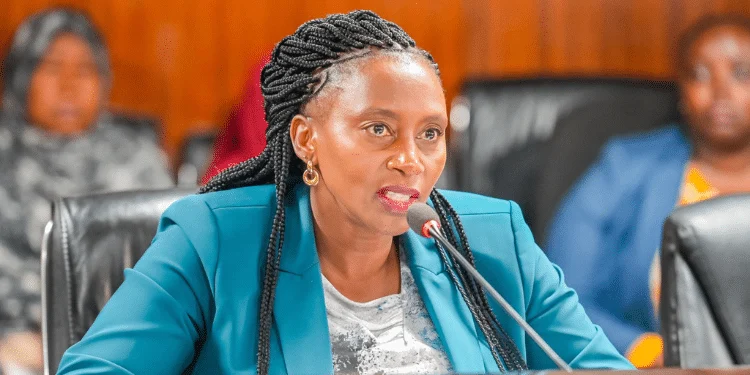
Kenya has renewed its call for stronger collaboration among African countries to prevent, identify and respond to health emergencies that can easily spread across national borders. Speaking during a high-level meeting held on the sidelines of the 76th Session of the WHO Regional Committee for Africa in Addis Ababa, Ethiopia, Principal Secretary for Public Health and Professional Standards Mary Muthoni said no country can effectively tackle cross-border health threats alone.
Muthoni described regional preparedness as a fundamental responsibility and a shared public good, stressing the important role played by communities living along international borders. She said border communities are often the first to notice emerging health threats and should therefore be actively involved in surveillance, information sharing and emergency response efforts.
Africa Launches New Health Emergency Initiatives
The meeting saw African countries sign a Cross-Border Collaboration Memorandum of Understanding and launch the Mpox Vaccine Stockpile Mechanism. The initiatives are aimed at improving cooperation between countries and strengthening the continent’s ability to respond quickly to public health emergencies.
They will support faster information sharing, coordinated response measures and more equitable access to critical medical supplies, including vaccines and other health emergency countermeasures. The meeting was led by WHO Regional Director for Africa, Prof. Mohamed Janabi, and brought together health officials, regional organisations and development partners.
Muthoni Calls for Real-Time Data Sharing
Muthoni urged African countries to establish fully interoperable health information systems that can facilitate real-time sharing of data between neighbouring countries. She said early warnings must reach countries quickly enough to allow them to act before health threats cross borders and develop into wider emergencies. She also called for the development of a coordinated regional health workforce capable of jointly investigating, detecting and responding to outbreaks, supported by the ability to rapidly deploy additional personnel when needed.
Call for Fair Access to Medical Supplies
The PS further emphasised the need for African countries to guarantee fair access to diagnostics, vaccines and life-saving treatments during health emergencies. She argued that access to essential medical interventions should be determined by public health needs rather than a country’s ability to pay. Muthoni warned that financial disparities should not determine who receives critical treatment during an emergency.
From Agreements to Action
Muthoni challenged African governments to ensure that new regional agreements translate into practical action rather than remaining formal commitments. She said mechanisms such as the Mpox International Coordinating Group and the proposed Cross-Border Collaboration Memorandum of Understanding should have clear activation procedures, rapid information-sharing systems, reliable financing and strong accountability frameworks.
Kenya’s position comes as African countries continue efforts to strengthen preparedness against infectious diseases and other health emergencies that can rapidly spread across borders.
