







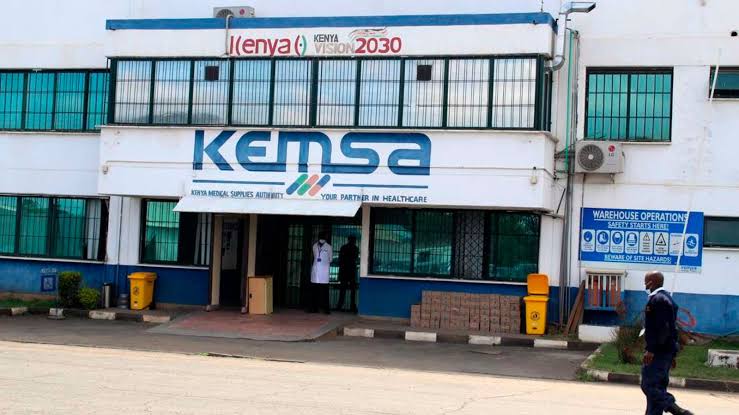
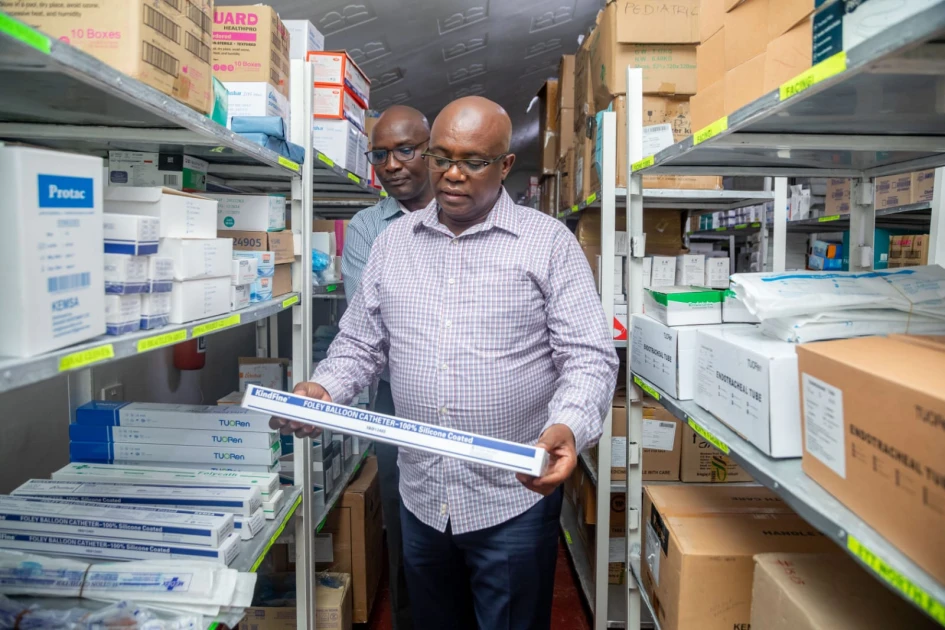
The Kenya Medical Supplies Authority (KEMSA) has handed over a renovated medicine store at Port Reitz Sub-County Hospital in Mombasa in a move aimed at improving the safety, quality and management of essential medicines supplied to patients. The facility was officially handed over on Monday, October 26, 2026, during a ceremony attended by Mombasa Governor Abdulswamad Sheriff Nassir.
The upgraded store is expected to benefit more than 300,000 people who rely on the hospital and surrounding health services in Changamwe and Jomvu constituencies. The refurbishment was carried out under KEMSA’s Corporate Social Responsibility (CSR) programme for the 2025/2026 financial year. The project followed an assessment that identified infrastructure challenges affecting the hospital’s ability to maintain suitable storage conditions for medicines and other medical supplies.
KEMSA Targets Improved Medicine Storage
Speaking during the handover, KEMSA Chief Executive Officer Dr Waqo Ejersa emphasised that the quality of medicines must be protected throughout the supply chain, including after the products arrive at health facilities. He explained that proper storage conditions are essential to preserving the effectiveness of medicines before they are administered to patients.
According to Ejersa, exposure to unsuitable temperatures, moisture, pests and inadequate security can compromise the quality of pharmaceutical products, potentially resulting in medicine losses and increased healthcare costs. The refurbished facility is expected to improve the receipt, storage and distribution of medical commodities while strengthening stock management and making better use of the available space. KEMSA noted that investing in suitable storage infrastructure goes beyond renovating buildings, as it also supports patient safety and the responsible use of public healthcare resources.
Governor Nassir Welcomes Partnership With KEMSA
Governor Abdulswamad Sheriff Nassir welcomed the project, reaffirming the county government’s commitment to working with KEMSA to improve access to essential medicines and medical supplies. Nassir said cooperation between national and county governments was important in ensuring that health facilities could access quality and affordable medical commodities to meet the needs of residents.
Ejersa also highlighted the importance of collaboration, predictable financing and efficient supply-chain management in ensuring that essential medicines remain available when needed. The partnership is expected to support efforts to strengthen healthcare delivery in Mombasa and improve the management of medical supplies at public health facilities.
KEMSA Expands Healthcare Infrastructure Support
The Port Reitz project is part of KEMSA’s broader CSR programme, which seeks to address infrastructure gaps affecting healthcare services in different parts of the country. The authority has previously supported medicine store improvements at Mtwapa Sub-County Hospital in Kilifi County and Msambweni County Referral Hospital in Kwale County.
Beyond medicine storage facilities, KEMSA has also invested in laboratory infrastructure. Its projects include a laboratory at Nyonjoro Health Centre in Nakuru County and another laboratory project at Dakabaricha Dispensary in Marsabit County, which is nearing completion. KEMSA said the renovated Port Reitz medicine store had undergone completion inspections and had been confirmed ready for handover.
Strengthening Kenya’s Medical Supply Chain
Operating under the Ministry of Health, KEMSA is responsible for procuring, warehousing and distributing medical commodities to public health facilities across Kenya. The authority’s work includes supporting the availability of essential medicines and medical supplies needed by hospitals and other public healthcare institutions.
The Port Reitz refurbishment is intended to strengthen the final stages of the medical supply chain by ensuring that medicines are stored under appropriate conditions before reaching patients. The project also highlights the role of infrastructure investment and cooperation between healthcare institutions in maintaining medicine quality, reducing wastage and improving the delivery of public health services.
