





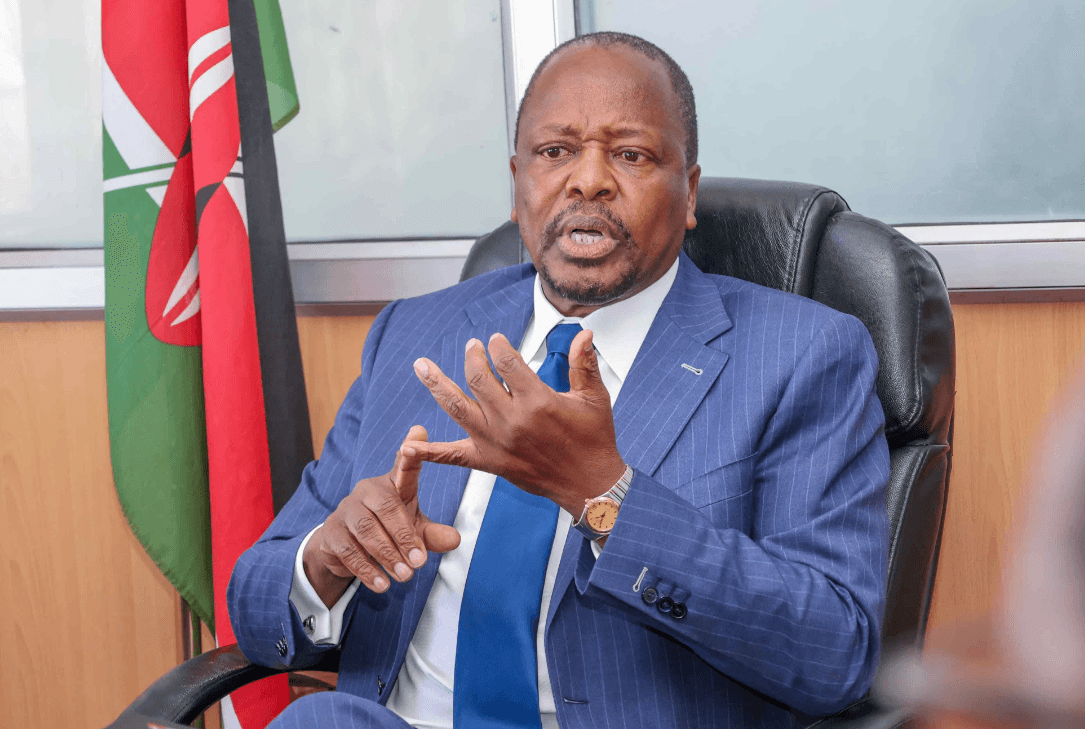
Agriculture Cabinet Secretary Mutahi Kagwe has revealed that Kenya produces just 20 per cent of the rice consumed locally, forcing the country to rely heavily on imports to meet demand. Speaking during a visit to the National Cereals and Produce Board (NCPB) stores in Kirinyaga County, Kagwe clarified that rice imports will only be permitted after locally produced rice has been fully absorbed by the market.
Why Kenya Still Imports Rice Despite Local Stock
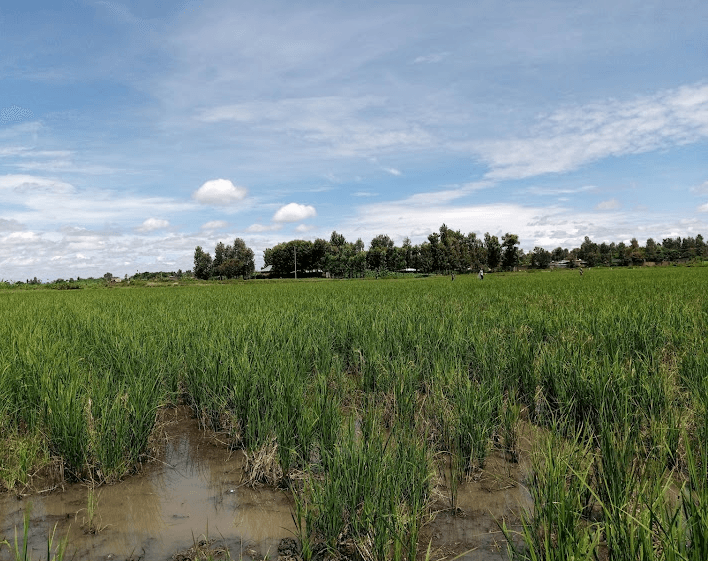
The CS addressed concerns raised by farmers and stakeholders over cases of uncollected rice from the Mwea Irrigation Scheme, explaining that such situations should not be mistaken for national self-sufficiency. According to Kagwe, uncollected stock in Mwea reflects logistical and market challenges, not surplus production.
When you hear that 5,000 bags of rice have not been taken in Mwea, it does not mean Kenya has enough rice. It simply means those particular bags have not been picked
CS Mutahi Kagwe He emphasized that Kenya’s total rice output still falls far short of national consumption needs, making imports unavoidable.
Supply and Demand Misunderstood
Kagwe noted that opposition to rice imports often stems from a misunderstanding of the supply-and-demand chain.
There are those who argue that we should not import rice because of a few thousand bags in storage, yet that only represents about 20 per cent of what the country requires
CS Mutahi Kagwe Call for Increased Local Production
The Agriculture CS urged farmers and investors to scale up rice production, assuring them that the NCPB has the capacity to handle larger volumes if output increases. He added that the situation is even more pronounced in wheat production, where Kenya produces only about 10 per cent of its national requirement. To address this, the government has put in place policies that prioritize the uptake of locally produced wheat before allowing imports.
Soil Mapping to Boost Productivity
Kagwe also disclosed that the Ministry of Agriculture is carrying out a nationwide soil mapping exercise aimed at improving farm productivity and increasing returns for farmers through better-informed agricultural practices.
