







The Kenya Aviation Workers’ Union (KAWU) has called off its industrial action after reaching a return-to-work agreement with the government and key aviation sector stakeholders. The agreement, signed on Tuesday, September 1, 2026, directs affected aviation workers to immediately resume their normal duties and work with management to restore full operations at the country’s airports. The development brings an end to a two-day industrial action that disrupted flight operations, particularly at Jomo Kenyatta International Airport (JKIA), leaving passengers facing lengthy delays and cancellations. The disruption also affected operations at Moi International Airport, Eldoret International Airport and Kisumu International Airport.
Government, KAWU Reach Return-to-Work Agreement
The agreement followed prolonged negotiations between KAWU, the Ministry of Transport, the Kenya Civil Aviation Authority (KCAA), the Kenya Airports Authority (KAA) and Jambojet. The talks were aimed at resolving several grievances that had pushed the union to industrial action, including remuneration, collective bargaining, union dues and the recognition of KAWU by Jambojet. Following the agreement, KAWU directed its members to return to work immediately and cooperate with management to facilitate the restoration and continuity of normal airport operations.
KAWU and KCAA to Resume CBA Talks
One of the key issues addressed in the agreement is the long-running Collective Bargaining Agreement (CBA) dispute between KAWU and KCAA. The two sides have agreed to immediately resume negotiations on a new CBA, with KCAA committing to honour and implement the outcome of the talks. The Salaries and Remuneration Commission (SRC) has also issued new parameters to guide the salary negotiations after withdrawing its earlier guidance issued in July.
However, KAWU has expressed reservations about some of the new SRC parameters and intends to raise its concerns during the CBA negotiations. The negotiations will therefore determine the terms and conditions that will govern aviation workers, including issues surrounding remuneration and other employment benefits.
KAA to Remit Union Agency Fees
The agreement also addresses agency fees owed to KAWU and currently held by the Kenya Airports Authority. Under the deal, KAA is required to remit the agency fees to the union with immediate effect. The issue of union dues had been among the grievances raised by KAWU during the dispute and was included in the discussions that preceded the return-to-work agreement.
Jambojet Recognition Dispute
The agreement also addresses KAWU’s demand for a recognition agreement with Jambojet. The matter is currently before the courts, meaning the parties will await the court’s determination before taking further action.
KAWU, Jambojet and the other parties involved have agreed to respect and comply with the eventual court decision. Jambojet has also committed to observing the applicable legal and procedural requirements relating to trade union recognition.
Workers Protected from Victimisation
Another important provision in the agreement is the protection of employees who participated in the industrial action. The parties agreed that workers should not be victimised, intimidated, discriminated against or subjected to disciplinary action solely because they participated in the strike. The agreement further commits the parties to maintaining industrial peace and resolving outstanding disputes through dialogue, negotiations and established dispute-resolution mechanisms.
Strike Disrupted Flights Across Kenya
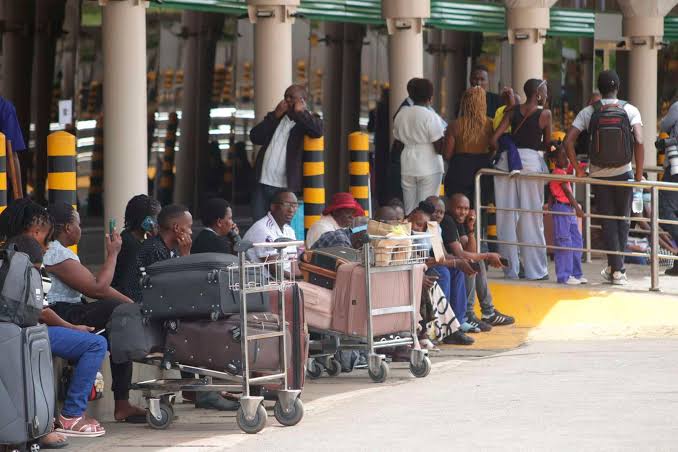
The industrial action began on Sunday and significantly affected airport operations across the country. At JKIA, Kenya’s main international aviation hub, passengers were forced to contend with flight delays and cancellations, with some travellers spending hours at the airport waiting for updates.
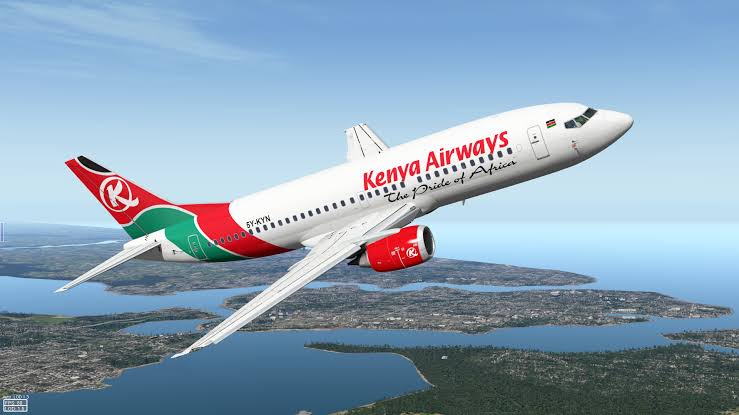
Kenya Airways also warned passengers of delays of up to six hours as airlines struggled to manage the disruption and clear the resulting backlog. The disruption extended beyond Kenya, with delays affecting regional flights and routes connecting Nairobi to destinations across East Africa and beyond.
Airlines Begin Clearing Backlog
With workers returning to their stations, airport and airline operators are expected to focus on clearing the backlog created during the strike. Passengers have nevertheless been advised to remain in contact with their respective airlines as flight schedules are restored, as some delays may continue while normal operations resume.
The end of the strike shifts attention to the implementation of the agreements reached between the union, government and aviation sector employers. The outcome of the upcoming CBA negotiations will be particularly significant, as it could determine the future remuneration and working conditions of aviation workers. For now, the return-to-work agreement has eased the immediate crisis and opened the door for the outstanding labour disputes to be addressed through negotiations rather than further industrial action.
