





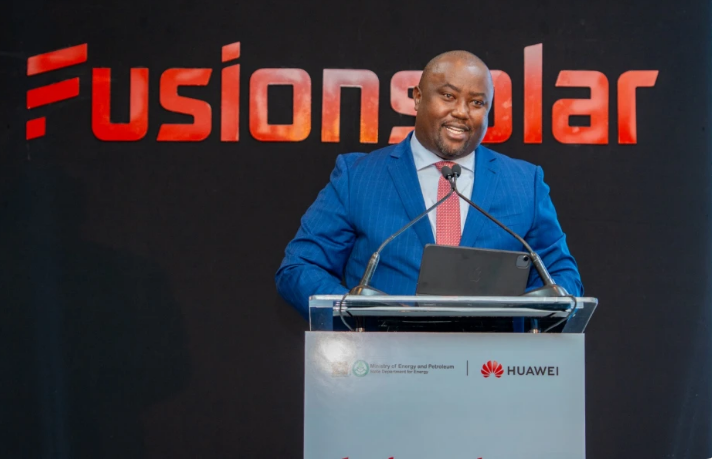
Kenya could require up to 1,000 megawatts (MW) of battery energy storage as the country prepares for rising electricity demand and seeks to reduce its reliance on costly thermal power. The proposal was discussed during the Kenya Energy Transition Forum 2026, held on August 11 and convened by the State Department for Energy in partnership with Huawei Kenya. The forum brought together government officials, energy sector executives, technology experts and researchers to discuss ways of modernising Kenya’s electricity system.
Principal Secretary for Energy Alex Wachira said Kenya’s peak electricity demand had recently reached 2,549 MW and could rise to between 2,600 MW and 2,650 MW by the end of the year as new generation and transmission projects become operational. According to Wachira, electricity demand drops to about 1,600–1,700 MW during the night, creating an opportunity to store excess power and release it during the evening peak.
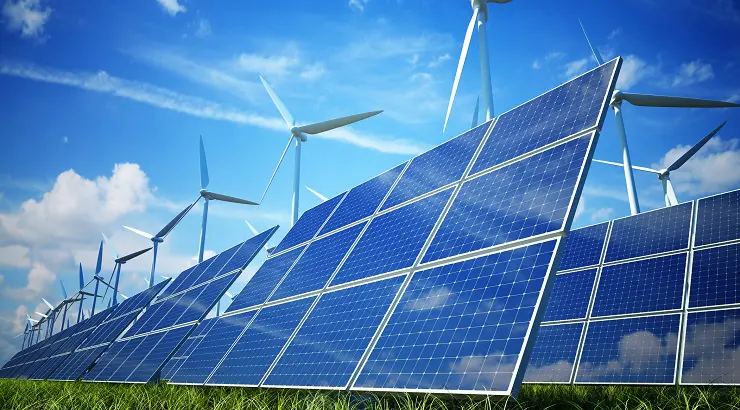
He said battery storage could help Kenya manage the roughly 1,000 MW gap, particularly during the four-hour evening peak period. The PS noted that energy storage would also help reduce dependence on thermal plants while enabling the country to accommodate more electricity generated from renewable sources such as solar and wind.
Wachira said Kenya’s energy transition should go beyond increasing renewable generation and focus on upgrading the electricity grid and improving how the power system is managed. He identified smart grids, digitalisation, advanced grid management, improved forecasting, demand-side flexibility and energy storage as key technologies that could improve grid stability, reduce losses and strengthen the reliability of electricity supply.
Huawei Kenya Deputy CEO for Public Affairs James Sun Quan said the company was ready to work with Kenyan stakeholders in advancing the country’s energy transition. He said technologies such as grid-forming energy storage and smart-grid solutions could support the integration of more renewable energy while maintaining a stable and reliable electricity network. Meanwhile, EPRA Chairman Moses Mabonga said renewable energy accounted for 80.17 per cent of Kenya’s electricity mix in the financial year ending June 2025, while thermal generation contributed 9.23 per cent.
Mabonga attributed part of the increased reliance on thermal power to higher electricity demand during the evening peak, particularly between 7pm and 10pm. KenGen CEO Peter Njenga said the power producer was also diversifying beyond its traditional geothermal and hydroelectric generation to explore more solar and wind projects. He highlighted the potential for wind power in Marsabit and Meru, noting that the growing contribution of intermittent renewable sources would require new technologies to manage grid stability.
Njenga said Kenya would need to combine different technologies and energy sources to guarantee a secure and reliable electricity supply.
Wachira urged stakeholders to move from discussions to implementation by supporting investments, policies and regulations that can accelerate the adoption of energy storage and modern grid technologies.
