





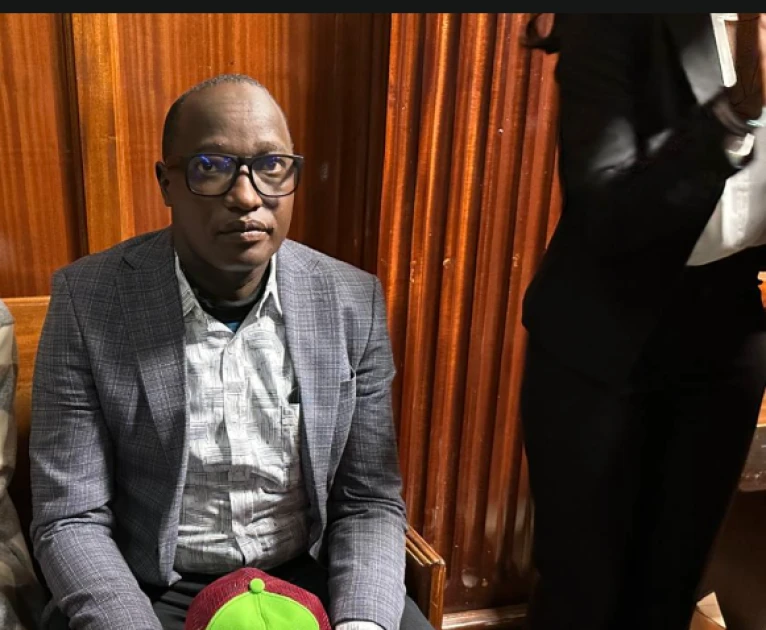

Kieni Member of Parliament John Philip Gichohi Kaguchia has pleaded not guilty to charges of offensive conduct linked to statements allegedly directed at supporters of President William Ruto. The case, now before the court, has drawn political attention and sparked debate over freedom of expression and incitement.
The legislator was arraigned following approval of charges by the Director of Public Prosecutions (DPP), who accused him of conduct likely to cause a breach of the peace. The offence is said to contravene Section 94(1) of the Penal Code. According to court documents, the incident reportedly took place on August 1, 2026, at Naromoru Shopping Centre in Kieni East, Nyeri County. Prosecutors allege that Kaguchia made remarks in Kikuyu that were intended to incite hostility among members of the public.
The prosecution claims the MP issued statements suggesting that individuals in Kieni who supported or voted for President Ruto would face social exclusion. Among the alleged remarks were calls to isolate such individuals from community activities, including bereavement visits and traditional ceremonies. It is further alleged that he suggested those individuals should seek medical treatment elsewhere, remarks that prosecutors argue were meant to provoke tension and unrest within the community.
Appearing before the court, Kaguchia denied the accusations and pleaded not guilty. His legal team is expected to challenge the claims as the case proceeds. The court granted him cash bail of KSh100,000, allowing him to remain free as the matter awaits hearing and determination.
The MP’s arrest and arraignment have triggered mixed reactions within political circles. Some leaders allied to former Deputy President Rigathi Gachagua have criticized the move, terming it politically driven. At the same time, the development has stirred tensions within the ruling United Democratic Alliance (UDA), with certain leaders expressing dissatisfaction over how the matter has been handled.
One of the notable reactions came from UDA MP Antony Kagombe, who hinted at the possibility of shifting political allegiance. He warned that the handling of the situation could push some leaders to align with emerging political movements associated with Gachagua.
As the case moves forward, it is likely to remain a focal point in Kenya’s political and legal landscape. Beyond the courtroom, the matter continues to raise broader questions about political expression, accountability, and the boundaries of public speech in a highly charged environment.
