







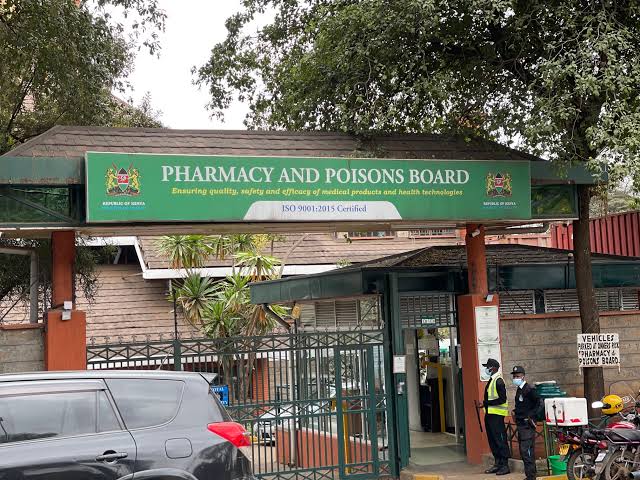
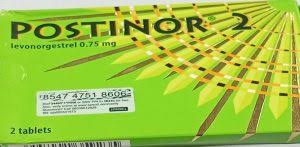
The Pharmacy and Poisons Board (PPB) has issued a public warning over a falsified batch of Postinor-2 (Levonorgestrel 0.75mg tablets) reportedly circulating in the Kenyan market. The regulator identified the affected product as Batch Number T34197R, which falsely indicates that it was manufactured by Gedeon Richter Plc, the genuine manufacturer of Postinor-2.
According to the PPB, the suspected counterfeit product was detected through the Board’s market surveillance activities. Further examination revealed several differences between the suspected product and authentic Postinor-2 supplied by Gedeon Richter.
Packaging Differences Identified
The PPB said the batch printing on the suspected product differs from that found on genuine products. The accompanying patient information leaflet also contains several printing and typographical errors. The regulator further noted differences in the way the medicine’s carton is sealed. Genuine Gedeon Richter packs reportedly use a hot-melt sealing method, which was absent from the suspected falsified product.
There were also noticeable differences in the packaging colour, with the orange colour used on the brand name and other sections appearing significantly more intense than that on genuine packaging. The Board also found that the font displayed after scratching the product’s authentication panel differs from that used on genuine Postinor-2 packs.
PPB Warns of Potential Risks
The regulator said the findings strongly suggest that the product is falsified and was not manufactured or authorised for release by Gedeon Richter. The Board warned that falsified medicines may contain the wrong amount of an active ingredient, contain no active ingredient, or include harmful or undeclared substances. As a result, such products may fail to provide the expected medical benefit and could pose health risks.
The PPB has urged members of the public to obtain medicines only from authorised pharmacies and healthcare providers and to remain alert to unusual differences in packaging, labelling and other product identification features. Consumers who encounter suspicious medicines are encouraged to report them to the relevant authorities for further investigation.
