




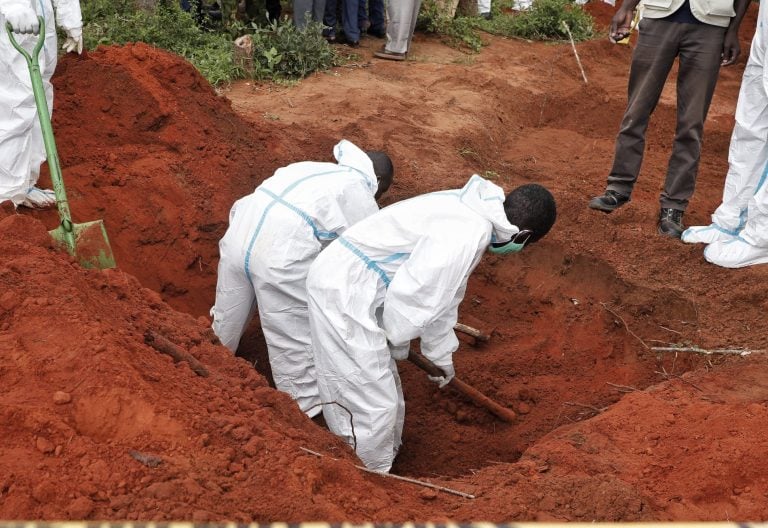
Families affected by the Shakahola massacre are raising concerns over plans to bury hundreds of unidentified and unclaimed bodies recovered from the site, saying they need answers and assurances before the remains are laid to rest. More than three years after the deaths linked to the Shakahola religious cult tragedy, many families are still searching for information about relatives who disappeared and are believed to have been among the victims.
The Kilifi County Government has announced plans to proceed with the burial of unidentified and unclaimed remains by December, with families reportedly being given a limited period to come forward and provide information that could help identify their relatives. However, some families fear that burying the remains could make it harder to obtain answers in the future, particularly if DNA evidence and other investigative material are not properly preserved.
Families Seek Assurances on DNA Evidence
Rose Asena, who says she lost five nieces and nephews in the tragedy, has spent the past several years seeking information about their whereabouts and pushing authorities for answers. Asena said affected families were concerned that they had learned about the planned burial through media reports rather than direct communication from government agencies handling the case.
She said families needed clear information about DNA testing, identification records and what would happen to evidence after the remains were buried. According to Asena, families want the government to clearly explain where DNA samples, reports and other documentation will be kept so that relatives can continue seeking identification even after the burial.
Family Lost Eight Relatives
For Matrona Mangoji, the proposed burial carries an even deeper emotional weight after she lost eight members of her family in the tragedy. Her sister, brother-in-law and six children are among those she says were killed in Shakahola.
Mangoji said families are seeking more than a burial. They want authorities to explain what happened to their relatives and provide answers to questions that have remained unresolved since the bodies were recovered. She said affected families should not be expected to accept a mass burial without first receiving sufficient information about the identification and investigative process.
Hundreds of Remains Still Unidentified
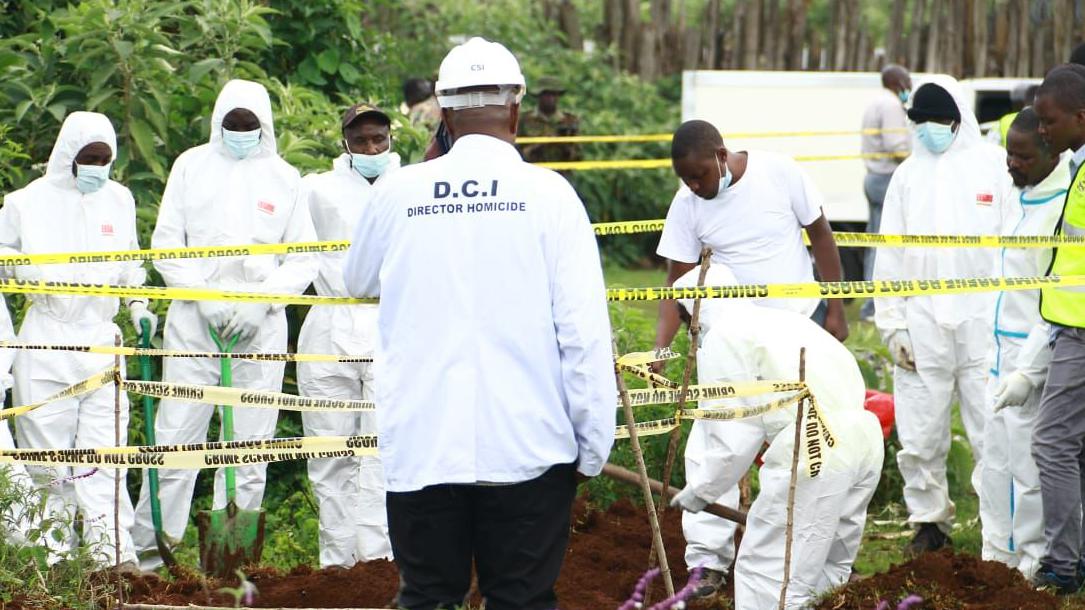
According to the information provided by authorities, hundreds of bodies and body parts remain at the Malindi Sub-County Hospital mortuary. A total of 443 bodies and body parts are reported to remain preserved at the facility, while only 14 have so far been positively identified through DNA matching.
Kilifi County says investigations into the deaths have been completed and has given families a 21-day window to come forward and assist in identifying the remains before the planned burial proceeds. The development has, however, intensified concerns among families who fear that the burial could close the door on efforts to establish the identities of their loved ones.
Families Want a Memorial Site
Beyond identification, some families are calling for the proposed burial location to be preserved as a memorial site. They say such a site would provide a place where relatives could remember their loved ones and continue their journey towards healing after one of Kenya’s most devastating religiously inspired tragedies.
For the affected families, the issue is not simply where the remains will be buried. They want assurances that the burial will not bring an end to the search for answers. They are calling on authorities to explain what evidence will be preserved, who will be responsible for keeping DNA records and whether future identification efforts will remain possible after the remains are laid to rest.
As the December deadline approaches, families continue to press for communication and accountability, saying they want to achieve closure without losing the possibility of finally identifying their loved ones.
