





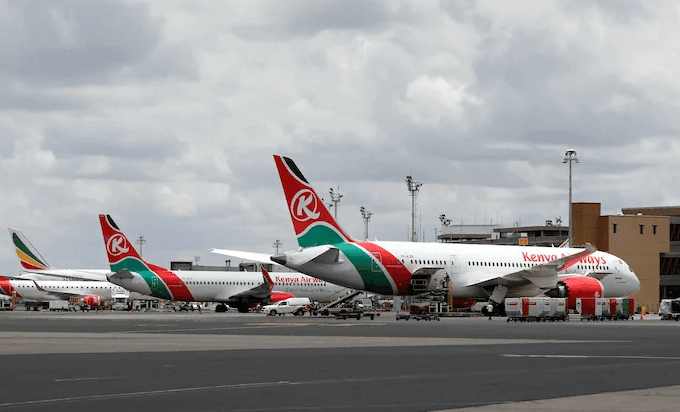
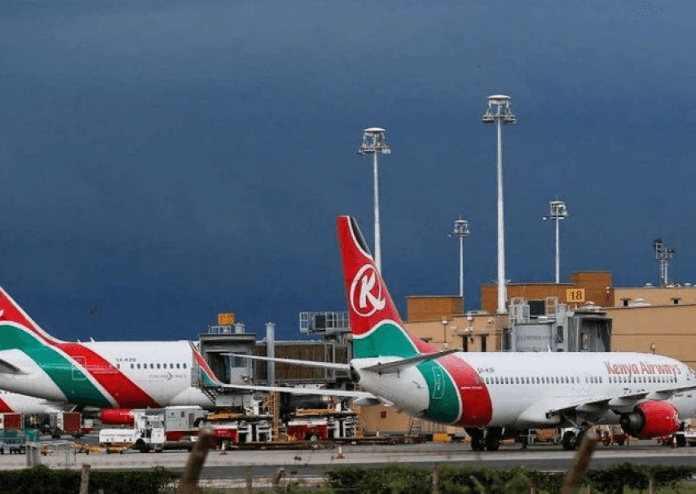
The Kenya Airline Pilots Association (KALPA) has voiced concern over continued flight disruptions affecting operations at Jomo Kenyatta International Airport (JKIA) and within Kenya’s wider airspace. The interruptions stem from ongoing industrial action led by members of the Kenya Aviation Workers Union (KAWU), which includes Air Traffic Control (ATC) personnel.
Industrial Action Disrupts Flight Operations
In a statement released on Tuesday, the pilots’ association said the strike has caused major operational challenges across the aviation sector. According to KALPA, the industrial action has triggered:
- Flight delays
- Flight diversions
- Cancellations
These disruptions have significantly inconvenienced passengers and affected multiple stakeholders within the industry.
Safety Remains the Top Priority
Despite the operational strain, pilots insist that aviation safety cannot be compromised. KALPA warned that prolonged disruptions could interfere with crew scheduling and mandatory rest cycles, raising the likelihood of pilot fatigue a critical safety risk in aviation. The body stressed the importance of adhering to established Flight Duty Period (FDP) limits and compulsory crew rest requirements, noting that these rules exist to keep operations within globally accepted safety standards.
Warning Against Compromising Safety Limits
The association cautioned airlines and sector players against allowing operational pressure to override regulated safety thresholds. It maintained that no circumstance should justify breaching fatigue management safeguards designed to protect passengers, crew, and aircraft.
Call for Dialogue to End Dispute
While recognising the broader labour challenges affecting the aviation sector, KALPA urged all parties to prioritise dialogue. The association called for:
- Constructive engagement
- Good-faith negotiations
- Practical, long-term solutions
KALPA noted that sincere talks are key to resolving outstanding issues while protecting both the industry’s stability and the travelling public.
The pilots’ body also warned that hardline positions or actions that derail negotiations could worsen the situation. Such approaches, it said, risk extending the stalemate and deepening operational disruptions across Kenya’s aviation network.
