







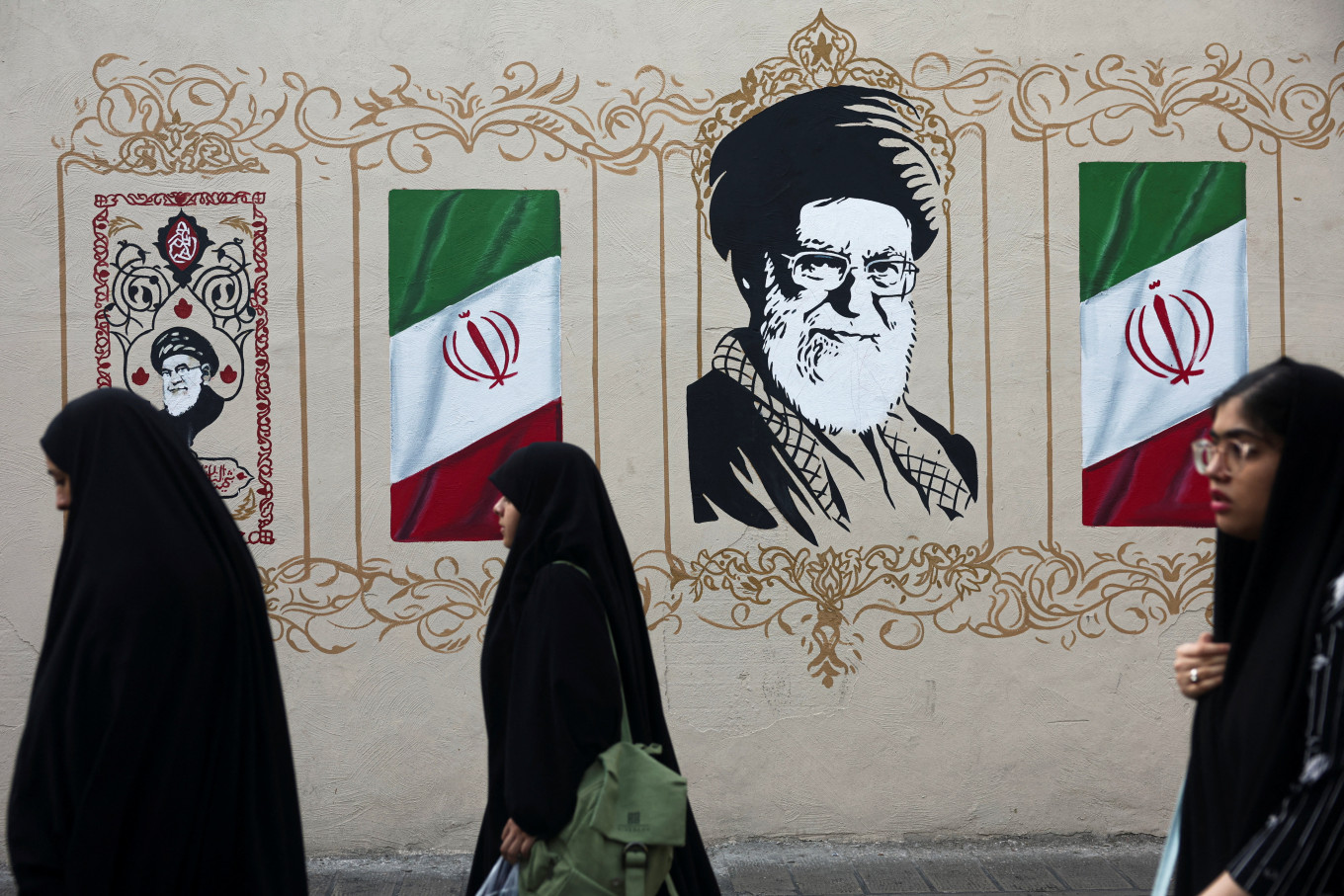
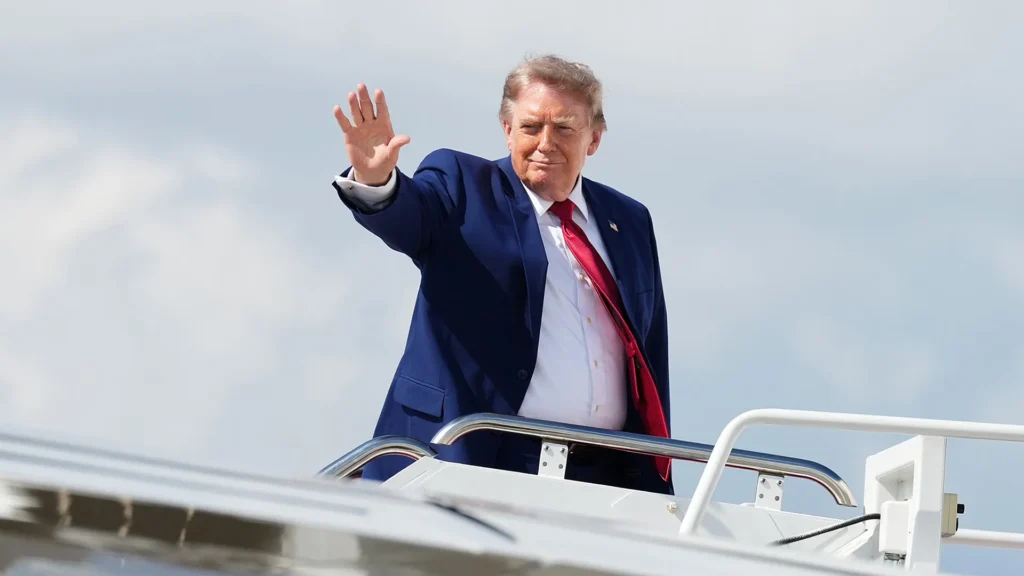
U.S. President Donald Trump has threatened severe economic consequences against countries that provide financial, commercial or institutional support to Iran as Washington seeks to bring an end to the ongoing conflict. Trump issued the warning as the war continues to disrupt the region and affect global trade, particularly through the Strait of Hormuz, a major route for international oil shipments.
Trump Threatens Economic Action
In a social media post, Trump warned that countries whose banks, companies, airports or government institutions provide assistance to Iran could face what he described as unprecedented economic pressure. However, the U.S. president did not identify specific countries or explain what measures Washington would impose.
The warning could affect countries that maintain economic ties with Iran or have played a role in diplomatic efforts aimed at ending the conflict. Iran has already faced extensive U.S. sanctions for decades, with its economy repeatedly targeted by American administrations.
Strait of Hormuz Remains Key Concern
The conflict has also raised concerns over the movement of goods and energy through the Strait of Hormuz, one of the world’s most important shipping routes. Iran’s ability to disrupt shipping in the area has contributed to uncertainty in global markets and heightened concerns over oil supplies.
Two ceasefire agreements announced in April and June were intended to restore shipping through the waterway and create a path toward ending the conflict. However, both arrangements eventually broke down.
UAE Suspends Economic Ties With Iran
The United Arab Emirates announced on Tuesday that it was suspending trade, commercial exchanges and financial transactions with Iran until further notice. The move followed an announcement by the UAE Defence Ministry that it had detected two missiles launched from Iran that landed in the sea. Tehran rejected the report as unfounded. The UAE hosts a major U.S. military base and remains an important strategic partner for Washington in the region.
China-Iran Trade Presents Challenge
China remains a major buyer of Iranian oil, accounting for more than 80% of Iran’s seaborne oil shipments based on 2025 data from analytics firm Kpler. Any attempt by Washington to intensify economic pressure on China over its trade with Iran could create additional tensions between the world’s two largest economies.
China is also an important supplier to the United States, including of critical rare-earth minerals, raising concerns about possible retaliation.
Iran Says It Is Ready for Dialogue
Iran has maintained that it remains willing to engage in talks with Washington but insists that negotiations should not be viewed as surrender. Mohammad Mokhber, an adviser to Iran’s Supreme Leader, said military pressure and sanctions would not force Tehran to abandon its position.
There have also been conflicting statements from the U.S. side regarding the status of negotiations. While Trump said Tuesday that no talks were taking place, his son-in-law and special envoy Jared Kushner had earlier indicated that discussions were continuing.
Trump Seeks New Nuclear Agreement
Trump is also pushing for a new agreement that would impose tighter restrictions on Iran’s nuclear activities. The U.S. president wants Iran’s stockpile of highly enriched uranium addressed as part of any future deal.
Trump withdrew the United States from the previous international nuclear agreement in 2018. Iran, which is a signatory to the Nuclear Non-Proliferation Treaty, has consistently maintained that its nuclear programme is intended for peaceful purposes.
