




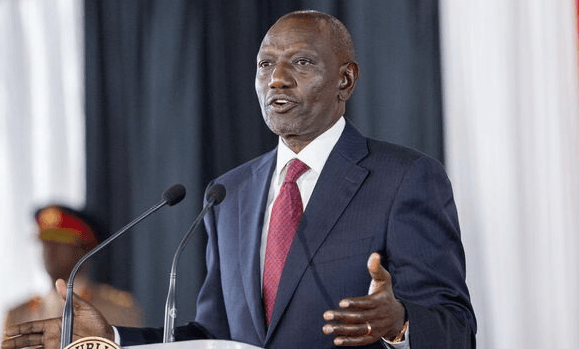
President William Ruto has explained his decision to approve the establishment of an Ebola quarantine facility at the Laikipia Air Base in Nanyuki, citing Kenya’s long-standing partnership with the United States and the need for preparedness against infectious diseases. Speaking to the media on Monday evening, the Head of State revealed that the request to set up the facility came from U.S. President Donald Trump, who sought Kenya’s support in combating the deadly Ebola virus. Ruto said Kenya welcomed the request as part of a mutual agreement between the two nations.
Our partnership with the American government is a mutual agreement. When President Trump asked Kenya to support them by having a centre at Laikipia Air Base, I gave the okay because it was an agreement with friends who have walked with Kenya for 30 to 40 years
President RutoThe President further noted that the United States has historically invested heavily in Kenya’s healthcare sector, particularly in the fight against HIV/AIDS, Ebola, and other diseases. Ruto dismissed concerns surrounding the facility, terming the ongoing debate as politicized. He emphasized that the Laikipia centre is not unique, pointing out that Kenya already operates at least 23 emergency response facilities across the country.
These facilities are in places such as Kenyatta National Hospital, the Police Hospital in Nairobi, Moi Teaching and Referral Hospital in Eldoret, Thika, Alupe Hospital in Busia, among others
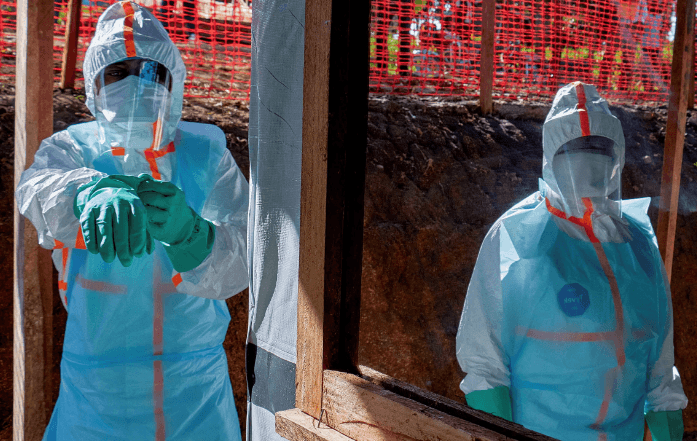
President RutoAccording to the President, the facilities are designed to enhance screening, isolation, and treatment in the event of an Ebola outbreak, thereby preventing the spread of the virus. He also warned against complacency, highlighting the risk posed by regional outbreaks in the Democratic Republic of Congo (DRC) and Uganda.
We cannot ignore the possibility of Ebola reaching Kenya. We have many Kenyans in the DRC, and if they are affected, we have a responsibility to take care of them
President RutoHowever, the planned facility has sparked protests in Nanyuki, where hundreds of residents took to the streets to oppose its establishment. Demonstrators expressed fears over potential health risks and demanded that the facility be relocated. Security officers intervened to prevent the protesters from accessing the military installation. Health Cabinet Secretary Aden Duale has also defended the initiative, clarifying that the facility is not exclusively for American nationals. He explained that it will serve both Kenyans and Americans, especially those operating in high-risk regions, as part of a broader strategy to strengthen Kenya’s response to infectious disease outbreaks.
Meanwhile, the High Court has temporarily halted the establishment of the facility. The conservatory orders followed a petition filed by the Katiba Institute, which challenged the agreement between Kenya and foreign governments regarding the handling of Ebola cases.
The court has barred the government from admitting or facilitating the entry of individuals exposed to or infected with Ebola under the contested arrangement until the case is fully heard and determined. The development comes amid rising Ebola cases in the Democratic Republic of Congo, where 1,031 infections and 240 deaths have been reported since the latest outbreak was declared on May 15.
As the debate continues, the government maintains that preparedness is critical in safeguarding public health, while critics call for greater transparency and public involvement in decisions that could impact community safety.
