






The Ministry of Health has intensified Kenya’s preparedness measures following the confirmation of the country’s first imported case of Bundibugyo Ebola Virus Disease. The government has designated five health facilities to isolate and manage suspected and confirmed Ebola cases as authorities strengthen surveillance and contact-tracing efforts.
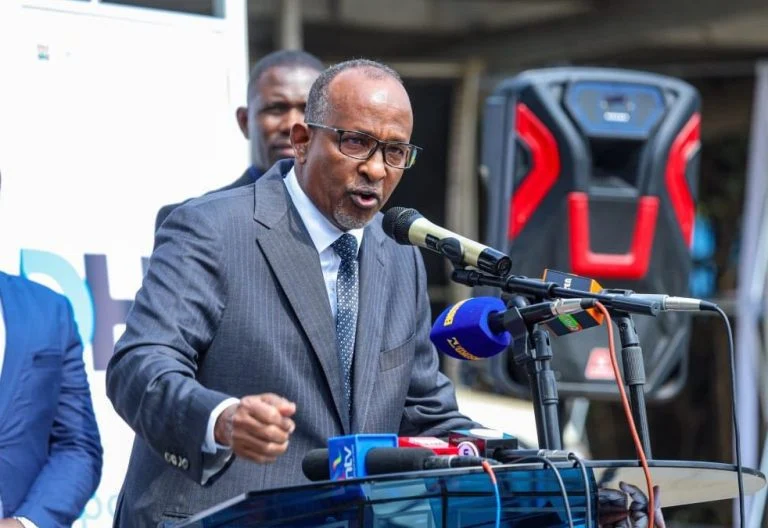
According to the Ministry of Health, 57 contacts linked to the confirmed case have so far been identified, with 10 people placed under quarantine for close monitoring. Health Cabinet Secretary Aden Duale has assured Kenyans that the country remains vigilant and has activated measures to detect and respond to any additional cases.
Five Hospitals Designated for Ebola Response
The government has identified five hospitals to serve as key isolation and treatment facilities. They include Kenyatta National Hospital (KNH), with eight beds; Moi Teaching and Referral Hospital (MTRH), with 50 beds; National Police Service Hospital, with 49 beds; Port Reitz Hospital, with four beds; and Nairobi Hospital, which has 133 beds in its Ebola isolation unit.
The facilities provide a combined capacity of 241 beds, with the government indicating that additional capacity can be created if the situation requires it. At Nairobi Hospital, health workers have been undertaking preparations and reviewing infection-prevention procedures at the dedicated isolation unit.
The facility is separated from the main hospital area and has designated zones aimed at limiting contact between Ebola patients and other hospital patients.
Screening Intensified at Points of Entry
The government has also stepped up surveillance at airports and land border crossings to prevent further transmission. Screening has been enhanced at Jomo Kenyatta International Airport, particularly for passengers arriving from countries affected by or neighbouring the current Ebola outbreak.
Passengers arriving from countries including the Democratic Republic of Congo, Uganda, Tanzania, Rwanda, Burundi, Angola, Zambia, Ethiopia, South Sudan and the Central African Republic are being subjected to enhanced screening at designated entry points. Health authorities have also identified temporary isolation facilities at Malaba and Kocholia, while Alupe is undergoing renovations to strengthen capacity along the Kenya-Uganda border.
The government has said it will maintain screening rather than close the country’s borders, with travellers required to provide accurate information through health declaration forms.
Contact Tracing Underway
Health officials continue to trace people who may have come into contact with the confirmed patient. So far, 57 contacts have been identified, while 10 people have been placed under quarantine where health workers can monitor them for any symptoms.
Director-General for Health Dr Patrick Amoth said authorities were determined to keep identified contacts in facilities where they can be closely monitored. The Ministry has also activated surveillance at multiple points of entry and is working with county governments and health facilities to strengthen the country’s ability to respond to suspected cases.
Government Urges Public Not to Panic
Despite the heightened response, the Ministry of Health has urged Kenyans to remain vigilant without causing unnecessary alarm. The government has clarified that the confirmed case was imported from the Democratic Republic of Congo and that Kenya is not currently experiencing a widespread Ebola outbreak.
The Ministry has also strengthened laboratory testing and surveillance capacity. More than 652,000 travellers have been screened, while 267 samples have been tested through the national laboratory network, according to the latest Ministry update. Health authorities continue to monitor the situation and follow up on identified contacts as part of efforts to prevent further transmission.
