







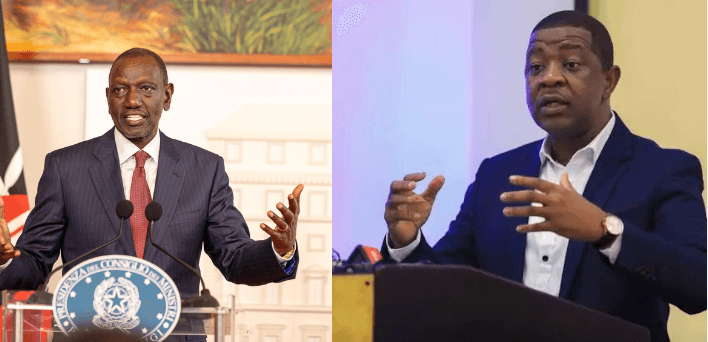
A fresh diplomatic and economic debate has emerged between Kenya and Tanzania following remarks by President William Ruto on the state of infrastructure within the East African region. Speaking during a church service in Nairobi, President Ruto emphasized Kenya’s economic position, stating that the country should be compared to other middle-income economies rather than its regional neighbours.
He noted that Kenya stands out in the region due to its economic classification and level of development, arguing that comparisons within the East African Community (EAC) may not accurately reflect the country’s progress.
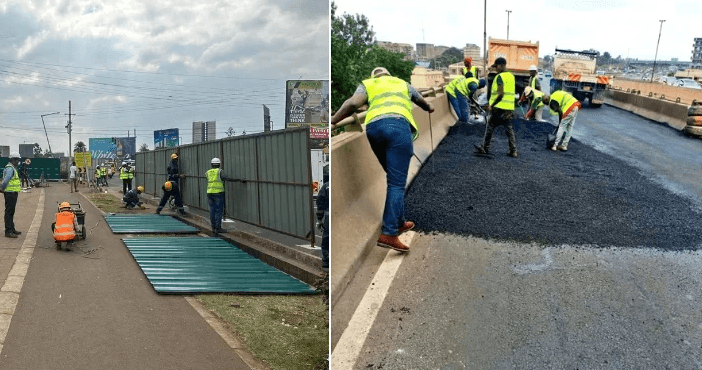
Ruto also highlighted Kenya’s road infrastructure, saying the country maintains approximately 20,000 kilometres of tarmacked roads, with an additional 6,000 kilometres currently under construction. He suggested that this figure surpasses the combined total of paved roads across other EAC member states.
The remarks quickly drew a response from Tanzania, with Works Minister Abdallah Ulega dismissing the claims as inaccurate and misleading. He defended Tanzania’s infrastructure record and rejected the notion that Kenya’s road network outweighs that of its neighbours combined.
Ulega stated that Tanzania has around 16,000 kilometres of tarmacked roads across both urban and rural areas, challenging the figures presented by the Kenyan President. He further stressed that Tanzania is also classified as a middle-income country, disputing the suggestion that Kenya stands alone in that category within the region.
The exchange has brought renewed attention to the economic standings of both nations. While Kenya is widely regarded as East Africa’s largest economy, Tanzania continues to register strong growth, particularly in agriculture and infrastructure expansion.
Data from the World Bank estimates Kenya’s GDP at about $120 billion in 2024, compared to Tanzania’s $78.8 billion. Kenya has maintained a lead in sectors such as financial services and technology, while Tanzania has demonstrated steady progress in industrial and agricultural development.
The disagreement underscores the growing competition between East Africa’s leading economies, particularly as both countries seek to position themselves as regional powerhouses in infrastructure, trade, and investment.
Analysts note that while such comparisons are common in political discourse, they also highlight the need for consistent and transparent data when assessing development across the region.
As both governments stand by their figures, the debate is likely to continue shaping public discourse around infrastructure and economic performance in East Africa. Observers say the focus should remain on collaborative growth within the EAC, even as individual nations showcase their achievements.
