







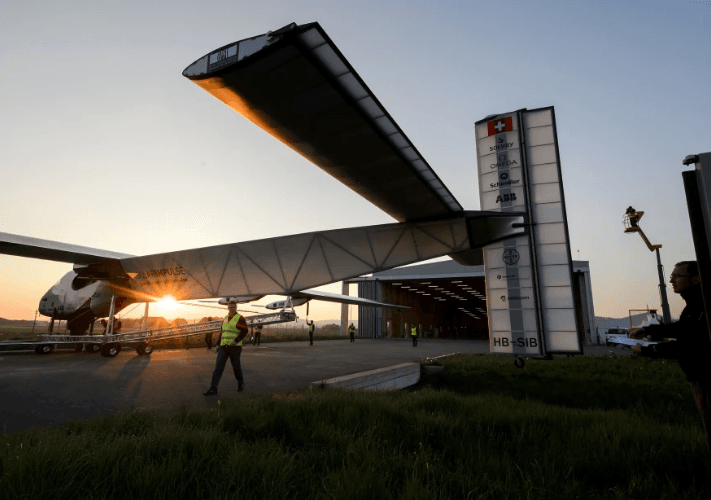
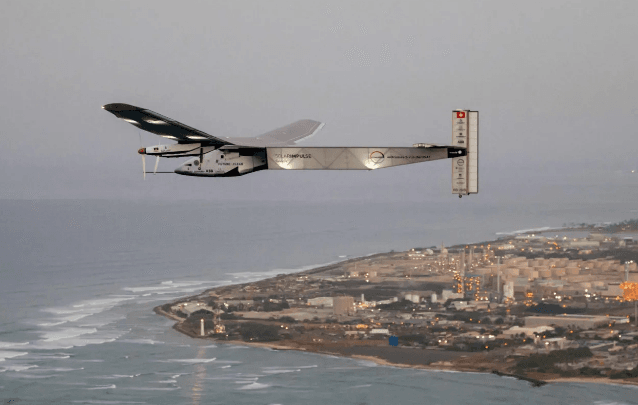
A groundbreaking chapter in aviation faced a tragic setback after a Swiss solar-powered aircraft crashed into the sea, cutting short a mission that had captured global attention. The aircraft, developed as part of Switzerland’s push toward clean and sustainable aviation, had been designed to operate entirely on solar energy. The innovative plane symbolized a major leap toward reducing carbon emissions in air travel and showcased the potential of renewable energy in aviation.
However, the journey ended abruptly when the aircraft went down over open waters under circumstances that are still under investigation. Authorities have yet to confirm the exact cause of the crash, though early reports suggest that technical challenges or changing weather conditions may have played a role.
The solar-powered plane had drawn international interest due to its unique design and mission. Equipped with solar panels embedded across its wings, the aircraft was capable of generating and storing energy to sustain long-duration flights without relying on conventional fuel. The project represented years of research, engineering, and ambition, aimed at proving that sustainable flight is not only possible but also viable on a global scale.
Emergency response teams were deployed shortly after the incident, and aviation authorities have launched a full investigation to determine what led to the crash. The findings are expected to provide critical insights into the challenges facing solar-powered aviation technology. Despite the setback, experts say the incident is unlikely to derail ongoing efforts to develop environmentally friendly aircraft. Instead, it may offer valuable lessons that will inform future innovations in the sector.
While the loss of the aircraft marks a disappointing moment for clean aviation advocates, the broader mission of sustainable flight continues. Researchers and engineers around the world remain committed to advancing technologies that reduce the environmental impact of air travel. The crash serves as a reminder of both the promise and the risks involved in pioneering new frontiers in aviation.
