






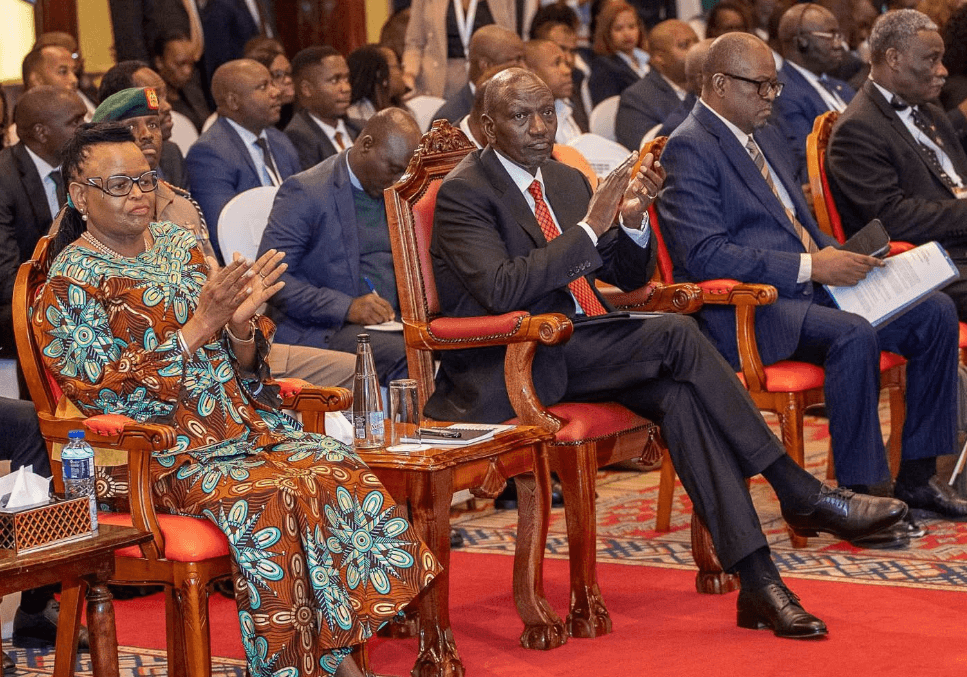
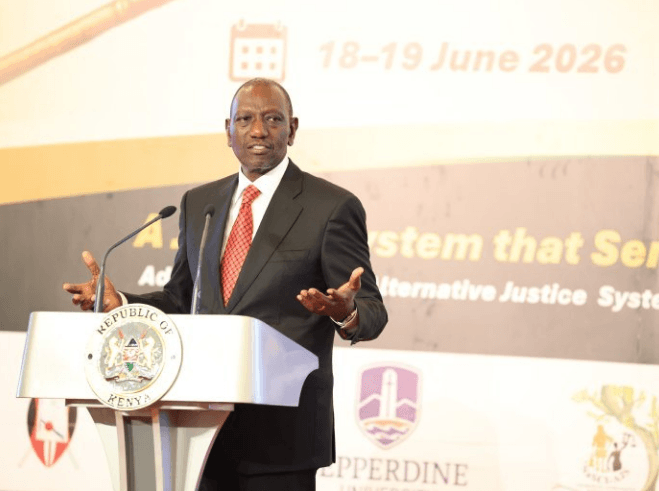
President William Ruto has called on African nations to invest in strong arbitration and alternative dispute resolution systems, saying the continent has the potential to handle its own legal matters effectively. Speaking on Friday during the Africa Chief Justices’ Alternative Dispute Resolution Summit 2026, the President emphasized the need for African disputes to be resolved within the continent by local institutions and legal experts.
Ruto pointed out that Africa has the capacity to build globally competitive arbitration frameworks, drawing comparisons with Singapore, which has successfully established itself as a leading global arbitration hub through deliberate efforts. He noted that Africa, with its vast population and growing economies, is equally capable of developing similar systems that reflect its unique needs and priorities.
The President stressed that resolving disputes locally should not be seen as protectionism but rather as an assertion of sovereignty and independence. During the summit, Ruto also highlighted the need for a shift in how African countries engage with international partners. He referenced recent discussions among African leaders at the Africa Forward Summit held in Nairobi, where there was consensus on pursuing partnerships based on equality and shared benefits. According to the President, future collaborations should move away from dependency and instead focus on empowering African economies through value addition, job creation, and fair investment practices.
He added that Africa is keen on ensuring that its natural resources are processed locally to maximize economic benefits, rather than being exported in raw form for value addition elsewhere. Ruto also cited his recent engagements at the G7 forum, noting that Africa’s approach to global partnerships is evolving to prioritize long-term gains for its people.
The summit, themed “A Justice System that Serves, Listens and Resolves,” brought together chief justices, judicial leaders, and stakeholders from across the continent. Discussions focused on improving access to justice, reducing case backlogs, and enhancing the efficiency of legal systems through alternative dispute resolution mechanisms. The forum is expected to play a key role in shaping policies aimed at strengthening justice systems and promoting sustainable legal reforms across Africa.
