





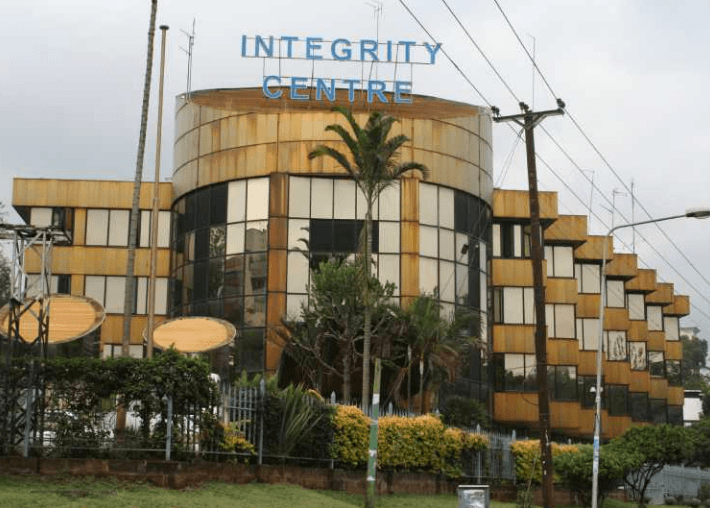
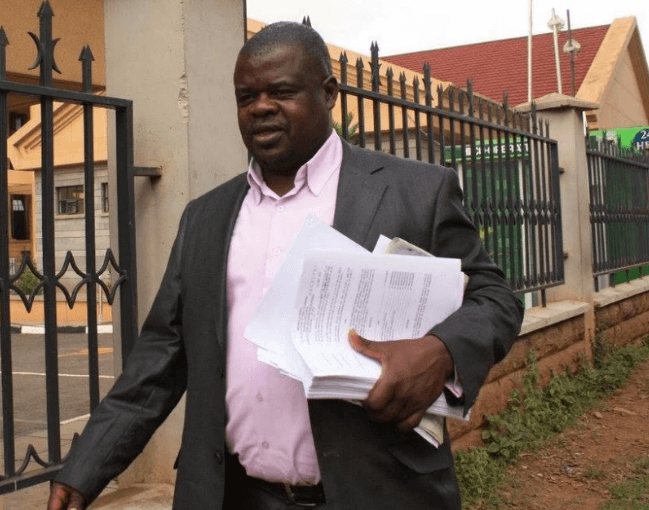
The Ethics and Anti-Corruption Commission has moved to defend its handling of investigations into the controversial 2014/2015 Eurobond, rejecting claims that large sums of public money were lost or unaccounted for. In court documents, the commission says allegations made by Busia Senator Okiya Omtatah are misleading and not supported by evidence, insisting that its probe was thorough and concluded within the law.
Detailed Investigation Conducted
According to a replying affidavit sworn by investigator Jemimah Githungu, the Ethics and Anti-Corruption Commission carried out extensive inquiries into the issuance and use of funds from the Eurobond. The investigation covered alleged mismanagement of about Ksh 250 billion raised through the sovereign bond, with the team reviewing official records and collecting 56 witness statements from senior officials across key institutions, including the National Treasury, the Central Bank of Kenya, and other government agencies.
How the Eurobond Funds Were Tracked
The commission outlined that Kenya raised $2 billion in June 2014, followed by an additional $750 million later that year through a tap sale. The funds were initially deposited in offshore accounts held at JP Morgan Chase Bank in New York before being transferred to the Central Bank of Kenya.
EACC maintains that all procedures followed the required legal and financial frameworks, including the procurement of transaction advisers and legal consultants through competitive processes. The affidavit further notes that the use of offshore accounts was allowed under amendments to public finance laws, which provided flexibility in managing external borrowing.
Funds Accounted For
The commission concluded that after debt servicing, the remaining proceeds, estimated at Ksh 196.9 billion, were properly transferred into the Consolidated Fund and fully accounted for. It also states that after completing its investigation, the file was forwarded to the Office of the Director of Public Prosecutions (ODPP), which reviewed the matter and closed it in May 2016, finding no basis for prosecution.
Legal Protection for Former Officials
EACC also defended statements made by its former chief executive in 2015, arguing that they were issued in good faith and within official duties. It added that the former CEO is protected from personal liability under constitutional and legal provisions.
Omtatah’s Challenge
Despite the findings, Omtatah has continued to dispute the outcome, seeking court orders that would hold certain officials personally liable for over Ksh 4.6 trillion, which he associates with the Eurobond transactions. However, EACC insists the petition has no legal or factual basis and should be dismissed.
The commission has urged the court to throw out the case with costs, maintaining that its investigation was complete, lawful, and found no evidence of fraud or loss of public funds.
