







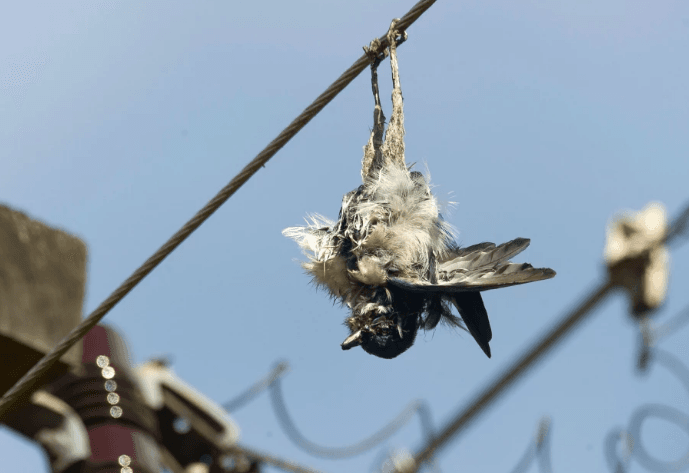
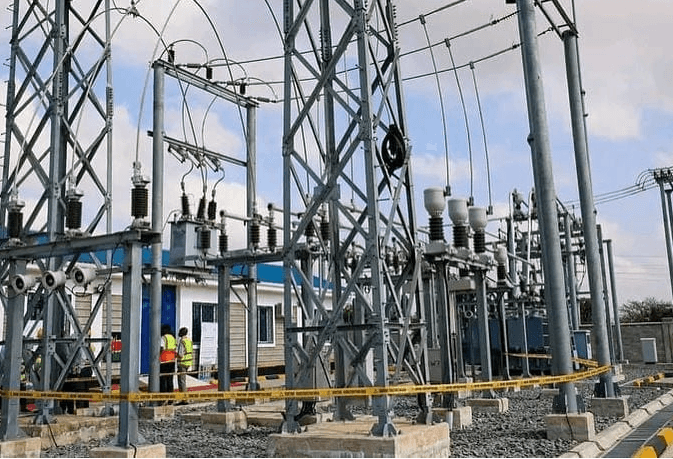
Kenya Power has unveiled a new wildlife conservation project aimed at reducing the electrocution of birds of prey and other animals along its electricity distribution network. The initiative is being implemented through the company’s Institute of Energy Studies and Research (IESR) in partnership with US-based Kaddas Enterprises. The project focuses on installing wildlife-friendly protective covers on power lines located in areas identified as high-risk electrocution zones. These measures are expected to enhance wildlife safety while improving the reliability of electricity supply across affected regions.
The initiative has been launched at Soysambu Conservancy, located about 130 kilometers northwest of Nairobi. The conservancy is home to several raptor species, including the Augur Buzzard and the Martial Eagle, which often use power poles and lines as perching and hunting points. Due to frequent reports of bird electrocution in the area, the conservancy was selected as the first location for the project.
Speaking during the launch, IESR Head of Research Eng. Henry Pwani emphasized the need to protect wildlife while supporting Kenya’s growing energy needs. He noted that wildlife remains an important part of Kenya’s natural heritage and a major contributor to the tourism industry, while reliable electricity infrastructure is essential for economic development. According to Kenya Power, wildlife-related incidents account for nearly 30 percent of all power outages caused by external factors, while wildlife and other human-related activities collectively contribute to about 50 percent of supply interruptions.
The five-year partnership is expected to significantly reduce animal electrocution incidents and minimize power disruptions caused by wildlife contact with electricity infrastructure. Kenya Power says the project will not only protect vulnerable animal species but also enhance service reliability for customers by reducing avoidable outages.
The Lanet–Naivasha Interconnector, which passes through Soysambu Conservancy, has experienced several power interruptions linked to electrocution incidents involving birds and larger animals such as giraffes. Lessons learned from the pilot project will help guide the rollout of similar interventions in other wildlife-electrocution hotspots across the country. Kenya Power’s Nakuru County Business Manager, Wesley Kerich, said the project will provide valuable insights that can be applied to protect wildlife and strengthen electricity supply in other regions.
In addition to installing protective equipment, the partnership includes a capacity-building component aimed at training Kenya Power technical staff. The training will help create awareness about wildlife conservation and equip employees with the knowledge needed to incorporate wildlife-friendly solutions into future energy infrastructure projects. By combining conservation efforts with modern energy management practices, Kenya Power hopes to create a sustainable model where wildlife protection and infrastructure development can coexist for the benefit of both the environment and the economy.
