




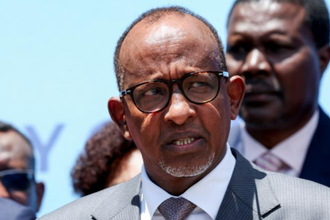


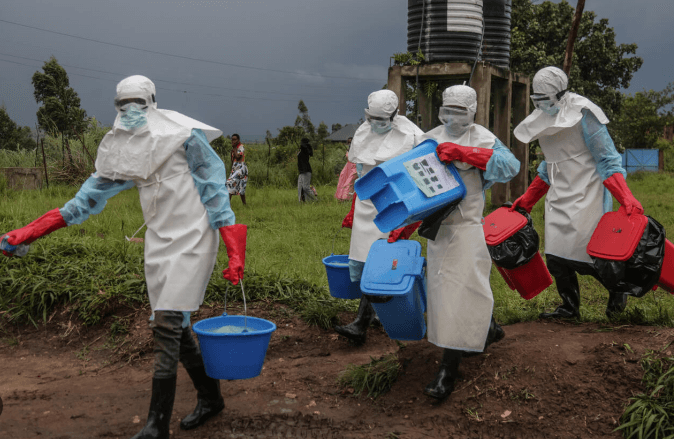

Law Society of Kenya (LSK) President Charles Kanjama has urged the government to reject any proposal to establish an Ebola treatment centre in Kenya for patients flown in from other countries, warning that such a move could pose serious public health risks.
In a statement shared on social media platform X, Kanjama called on authorities to adopt strict measures to keep Ebola cases out of the country. He specifically opposed what he described as a request by the United States government to set up a treatment facility in Kenya for handling international Ebola patients. Kanjama emphasised that while patients deserve proper medical care, hosting such a facility locally could expose the country to unnecessary risk.
The LSK President argued that global health protocols require treatment and containment efforts to be concentrated near the source of an outbreak. According to him, Ebola response facilities should instead be located in regions currently affected, such as eastern Democratic Republic of Congo or western Uganda. He maintained that this approach would be more effective in controlling the spread of the virus while safeguarding countries not directly affected.
Reports of U.S. Plan
Kanjama’s remarks come amid reports that the United States is considering managing some Ebola exposure cases outside its borders. According to a report by The New York Times, the U.S. government is exploring plans to send its citizens who may have been exposed to Ebola to Kenya for observation and treatment, rather than returning them to the United States. The report indicates that a facility in Kenya could be prepared for quarantine and care, with Public Health Service personnel undergoing training for possible deployment.
The White House has not publicly confirmed the plans, and Kenyan authorities are yet to issue an official response on the matter. However, the proposal has already sparked debate among public health experts and policymakers.
Kanjama’s position reflects wider concerns about Kenya’s preparedness to handle highly infectious diseases such as Ebola. Experts have consistently stressed the importance of prevention, early detection, and strict containment measures to avoid outbreaks.
As discussions around the proposed facility continue, Kanjama’s call underscores the delicate balance between global cooperation in health emergencies and protecting national public health interests. The government’s next steps will likely shape the country’s role in international disease response efforts.
